Global Nutrition Summit 2025
Explore the latest in nutrition science with our on-demand video library from MJNI’s 2025 Global Nutrition Summit (GNS). Access expert lectures covering groundbreaking research and valuable insights with practical applications to inform your clinical practice and patient care.
The opinions & views expressed in the videos are solely those of the speakers.
Event Content
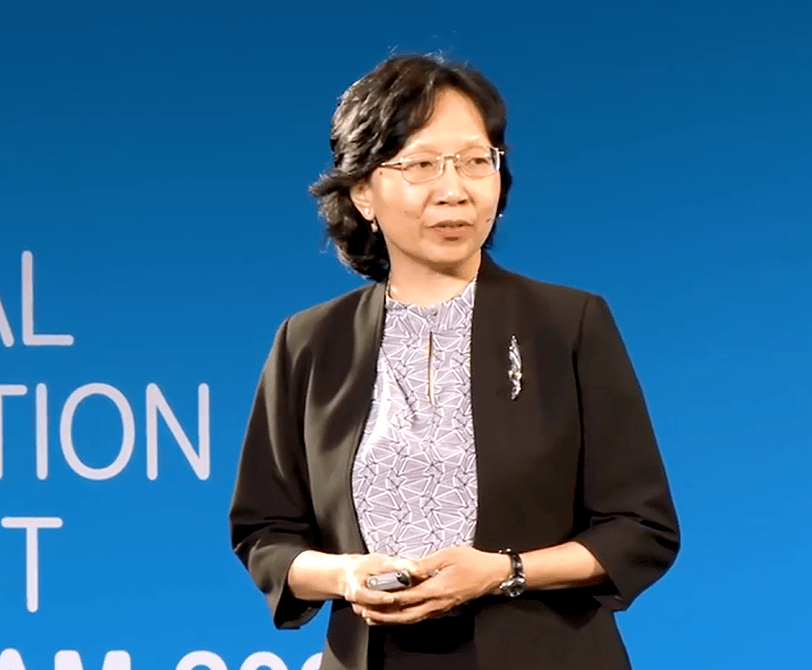
Microbiome-Gut-Brain Interaction in Children
Marion AW, MD, FRCPCH
Explore how the gut microbiome may shape the gut-brain axis in early childhood. This presentation highlights the potential impact of early gut colonization on mood, memory, and gastrointestinal function - and how disruptions may lead to disorders of gut-brain interaction.
This presentation is by Prof. Marian Aw, Head of the Division of Paediatric Gastroenterology, Nutrition, Hepatology and Liver Transplantation at the Department of Paediatrics, National University Health System, Singapore.

Stimulation and Nutrition: Two Major Ways of Promoting Development
Peter Willatts, PhD
Uncover how early stimulation and targeted nutrition may shape infant cognitive development. This presentation highlights the role of face-to-face interaction and key nutrients like DHA and (milk fat globule membrane) MFGM in supporting executive function and IQ, while cautioning against screen exposure in infants under 18 months. New findings suggest that enriching formula with MFGM may help close developmental gaps between formula-fed and breastfed infants.
This presentation is by Dr. Peter Willatts, Honorary Research Associate in the Division of Psychology of at the University of Dundee, Scotland.
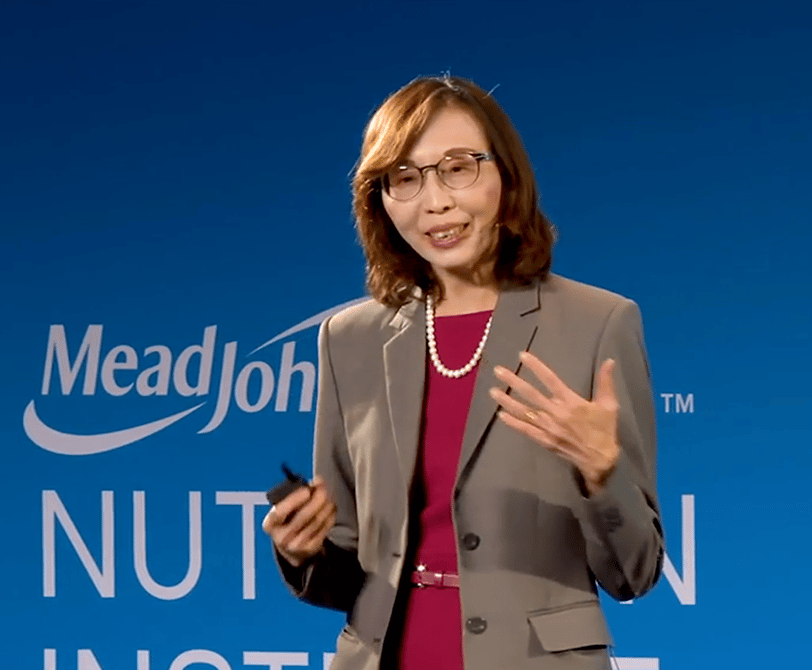
Managing Infant Colic and Constipation
Suporn Treepongkaruna, MD
Gain clinical insights into managing infant colic and constipation, two common functional GI disorders in early childhood. This presentation outlines symptom-based diagnosis using Rome IV criteria and highlights the role of parental support, nutritional strategies, and long-term therapy in improving outcomes. Emerging evidence supports the use of probiotics and comfort formulas, while family engagement remains key to treatment success.
This presentation is by Prof. Suporn Treepongkaruna, Professor of Pediatrics at the Faculty of Medicine, Ramathibodi Hospital, Mahidol University, Bangkok, Thailand.
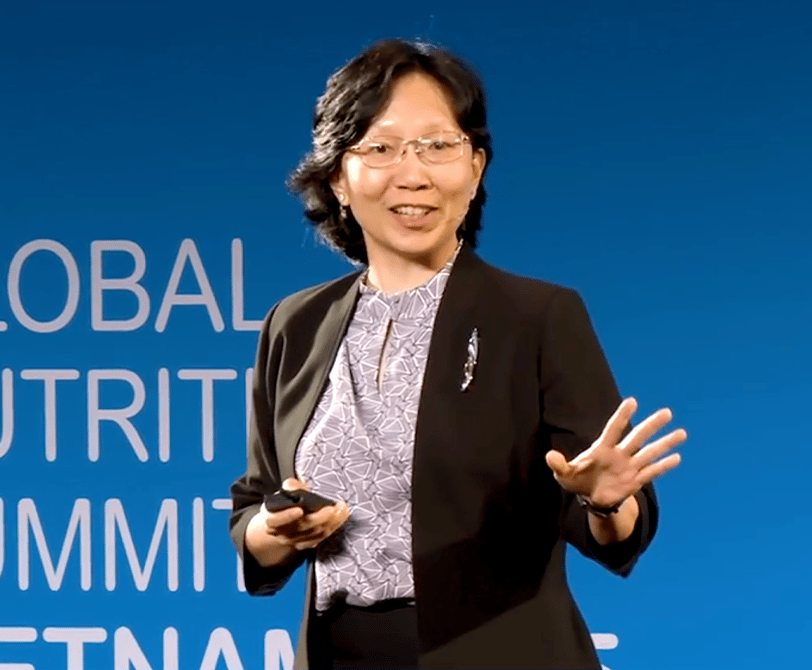
Nutrition for the Growing Child—Developing Positive Mealtime Behaviors
Marion AW, MD, FRCPCH
Learn how early nutrition and mealtime behaviors may shape long-term health and development in children. This presentation explores strategies for managing picky eating and recognizing red flags for underlying conditions. It underscores the importance of caregiver interaction and consistent exposure to varied tastes and textures.
This presentation is by Prof Marian Aw, Head of the Division of Paediatric Gastroenterology, Nutrition, Hepatology and Liver Transplantation at the Department of Paediatrics, National University Health System, Singapore.
What Do Guidelines Say About Preventing Allergy and Managing CMPA
Juan José Díaz Martín, MD, PhD
Understand current guidelines for diagnosing and managing cow’s milk allergy (CMA) in infants. This presentation outlines structured approaches to diagnosis and management, including the use of hydrolyzed formulas and probiotic LGG®-supplemented formula. It also explores emerging perspectives on allergy prevention and the importance of tailored nutritional strategies.
This presentation is by Dr. Juan Jose Díaz Martín, Professor of Pediatrics at the University of Oviedo. Section of Pediatric Gastroenterology and Nutrition. Central University Hospital of Asturias, Oviedo, Spain.

Can We Prevent Allergies
Roberto Berni Canani, MD, PhD
Explore how early-life exposures can shape immune tolerance and reduce the risk of allergic diseases. This presentation highlights the role of the exposome and targeted strategies, like early allergen introduction, in preventing conditions such as food allergy, asthma, and eczema. It underscores the importance of acting during a critical window in immune system development to build long-term resilience.
This presentation is by Prof. Roberto Berni Canani, Head, Paediatric Gastroenterology, Allergy & Nutrition Program University of Naples “Federico II”, Naples, Italy.

The Role of LGG in CMPA Management
Jon A. Vanderhoof, MD
Explore the remarkable benefits of Lactobacillus rhamnosus GG "LGG®", one of the most studied probiotic strains in the world. Known for its ability to regulate immune responses, this strain helps reduce infections and manage allergic conditions. In infants with cow’s milk protein allergy, it promotes earlier immune tolerance and may help reduce or lessen progression along the allergic march - shaping long-term gut and immune health from the start.
This presentation is by Dr. Jon Vanderhoof, Attending Physician, Division of Gastroenterology, Hepatology and Nutrition, Boston’s Children Hospital, Massachusetts, USA.
MFGM & its Effect on Brain Myelination and Neurodevelopment
Sean Deoni, PhD
Learn how milk fat globule membrane (MFGM), a rich source of sphingomyelin, phospholipids, and other brain nutrients, support myelination and cognitive outcomes in early life using advanced MRI imaging and developmental testings.
This presentation is by Dr. Sean Deoni, Associate Professor of Pediatrics and diagnostic imaging at Brown University, Rhode Island, USA.
Novel Feeding Practices to Improve Outcomes
Ariel Salas, MD, MSPH
This presentation explores novel feeding strategies that support growth and better long-term outcomes in preterm infants. Growing clinical evidence support high-volume feeding and full enteral nutrition from day one in stable preterm infants - marking a shift toward more proactive, evidence-based nutritional care.
This presentation is by Dr. Ariel Salas, attending neonatologist at the Children's
Hospital of Alabama and an Associate Professor of Pediatrics at the University of Alabama at Birmingham, USA.
Growth Faltering: Monitoring, Early Identification & Intervention Strategy
Brenda Poindexter, MD, MS
Delve into the definition and cause for growth faltering in preterm infants, where early shifts in growth trajectory - not just a position on a growth chart - signal the need for action. Learn differences among growth charts, and how timely monitoring and targeted interventions can shape better growth and neurodevelopmental outcomes. This presentation highlights the importance of early recognition and the future of research in optimizing postnatal growth.
This presentation is by Dr. Brenda Poindexter, Division Chief of Neonatology at Children's Healthcare of Atlanta, USA.

Communicate Like a Pro: Adult Learning Methods for Best Practice
Clara Song, MD FAAP
Every conversation can spark stronger collaboration. Dr. Song dives into the power of intentional communication - where understanding how your team wants to receive information unlocks real partnership. Learn how simple, proven tools can turn everyday interactions into high-impact teamwork. Because when communication clicks, teams thrive.
This presentation is by Dr. Clara Song, Neonatal intensivist with the Southern California Permanente Medical Group, California, USA.
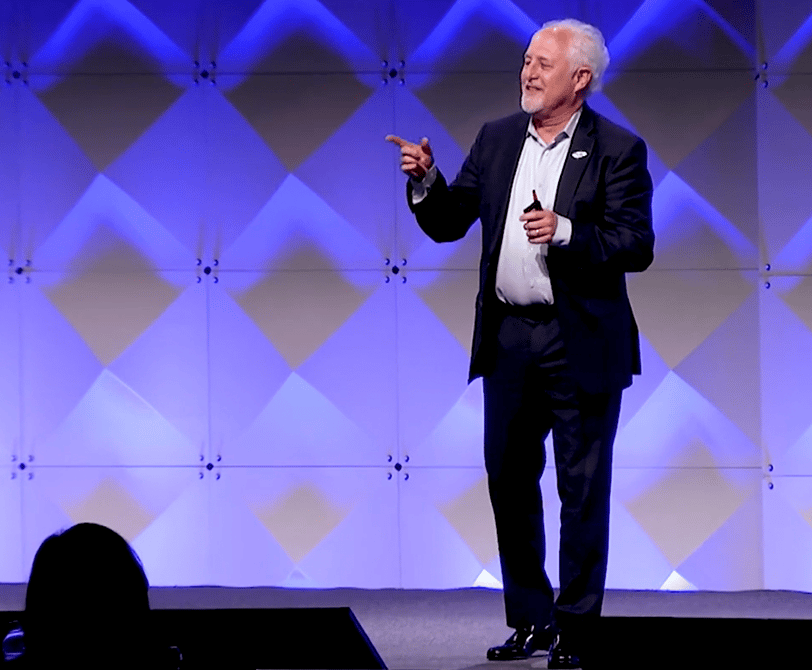
Effective Strategies for Complementary Feeding & Allergy Prevention
Benjamin D. Gold, MD, FAAP, FACG, NASPGHAN-F
Delve into the evolving science of complementary feeding and its impact on immune development in early life. Explore how the timing, type, and environment of food introduction influence the gut microbiome and may help manage allergic and autoimmune conditions. Learn how dysbiosis, allergy progression, and the allergic march are reshaping public health concerns - and uncover the cultural and systemic barriers that affect feeding practices, especially when breastfeeding isn’t possible.
This presentation is by Dr. Benajamin Gold, Attending Physician, Pediatric Gastroenterology, Hepatology and Nutrition, Children’s Center for Digestive Health Care, GI Care for Kids, Atlanta, Georgia, USA.
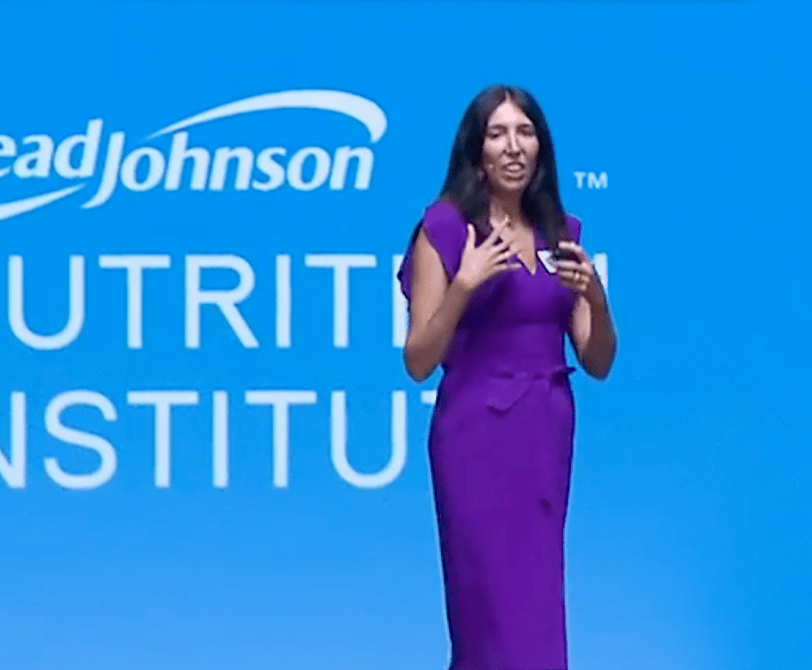
What We See in Clinic
Andrea Moreno, RD
Gain insights into the global variations in incidence and clinical management of cow’s milk protein allergy (CMPA). This presentation explores both IgE- and non-IgE- mediated CMPA, as well as related conditions such as reflux, eczema, asthma, and the development of further food allergies, offering proactive, practical approaches to support tolerance development and reduce the impact of the “allergic march”’.
This presentation is by Andrea Moreno, Dietetic Lead for Allergy at Alder Hey Children's Hospital, North-west area of England.
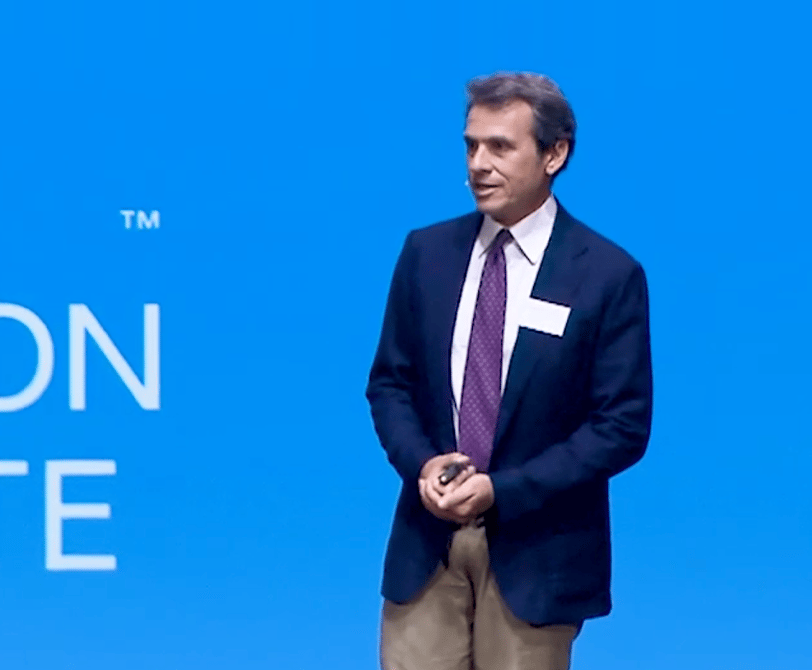
Long Lasting Effects of CMPA and its Implications
Roberto Berni Canani, MD, PhD
Understand the long-term consequences of cow’s milk protein allergy (CMPA) and its role in the broader context. This presentation highlights the need for interventions that target immune tolerance and gut health to alter the trajectory of CMPA and its associated risks.
This presentation is by Dr. Roberto Berni Canani, Head, Pediatric Allergy Program; Head, ImmunoNutritionLab, CEINGE Advanced Biotechnologies, Italy.
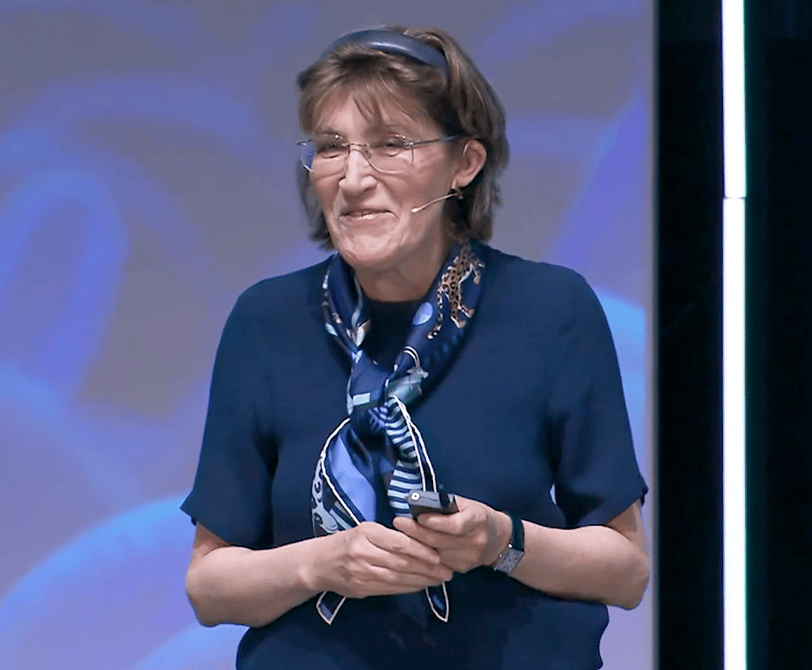
Guidelines in Infant Nutrition: Which Ones Matter?
Hania Szajewska, MD, PhD
Explore how infant nutrition guidelines are developed, why they vary globally, and the challenges in applying them. This session focuses on breastfeeding, allergy management, and the gap between evidence and practice - emphasizing the importance of judgement and subsequent action.
This presentation is by Dr. Hania Szajewska, Professor and Chair of the Department of Paediatrics, Medical University of Warsaw, Poland.

Supporting Gut Maturity in Infants: Strategies for Optimal Development
Juan José Díaz Martín, MD, PhD
Delve into the complex process of gut maturation in newborns and strategies that support healthy development. This session explores the maturation of the digestive tract in infants, the role of human milk in microbiota and enzyme activity, the intestinal barrier, and how “comfort formulas” may help manage common challenges like colic and regurgitation.
This presentation is by Dr. Juan José Díaz Martín, Professor of Pediatrics at the University of Oviedo, Section of Pediatric Gastroenterology & Nutrition, Central University Hospital of Asturias, Spain.
Preterm Infants – From the Hospital to Pediatric Consultation
Nadja Haiden, MD
Gain insights into post-discharge nutritional care for preterm infants, including the importance of individualized monitoring and support. This presentation outlines the latest ESPGHAN guidelines, and a comprehensive overview of the role of breastfeeding, nutrient-enriched formulas, and supplementation with vitamin D and iron to support optimal growth and neurodevelopment in this vulnerable population.
This presentation is by Dr. Nadja Haiden, Department of Clinical Pharmacology, Medical University of Vienna, Austria.

C-section and Infant Microbiome
Juan José Díaz Martín, MD, PhD
Explore the impact and long-term health implications of caesarean section (C-section) births on the infant gut microbiota. This presentation highlights how C-section delivery alters microbial colonization, potentially increasing the risk of conditions such as obesity, allergies, and neurodevelopmental disorders, and presents strategies to restore microbiota balance, emphasizing breastfeeding as the most effective intervention.
This presentation is by Dr. Juan José Díaz Martín, Professor of Pediatrics at the University of Oviedo, Section of Pediatric Gastroenterology & Nutrition, Central University Hospital of Asturias, Spain.
Complementary Feeding and Microbiome Impact
Nadja Haiden, MD
Discover how complementary feeding shapes the diversity and richness of the developing gut microbiome, influenced by early-life factors like delivery mode, breastfeeding, and timing of solids. Illustrated through impactful case studies, this presentation highlights the weaning reaction, risks of delayed microbiota development, and how tailored feeding strategies can support long-term immune, metabolic, and cognitive health.
This presentation is by Dr. Ericka Montijo, Pediatric Gastroenterology and Nutrition at Instituto Nacional de Pediatría, Mexico.
A New Frontier in Brain and Gut Health
Rafael Jiménez-Flores, MS, PhD
Delve into the evolving science of the gut-brain axis, exploring how milk fat globule membrane (MFGM) may influence cognitive development and gut health. This presentation traces the historical and technological advancements of how nutrition and intestinal health are intricately linked to neurological growth, opening new avenues for research and innovation in early-life nutrition.
This presentation is by Dr. Rafael Jiménez-Flores, Endowed Professor at The Ohio State University, USA.

Building the Foundation for Lifelong Health
Maria Carmen Collado, PhD
Explore the foundational role of early-life nutrition in shaping the gut microbiome and its lifelong impact on health. Gain insights into how maternal diets, breastfeeding, complementary feeding, and childhood diet influence microbial colonization, which in turn can support immune function, metabolism, and brain development.
This presentation is by Dr. Maria Carmen Collado, Full Research Professor and Leader of MAINBiotics Lab, Spain.