
Global Nutrition Summit 2026
Explore MJNI’s on-demand library from the latest 2026 Global Nutrition Summit, where leading global experts translated the latest pediatric nutrition science into practical, evidence-based insights on brain development, gut microbiome, immune resilience and more for early life — to support evidence-based decision-making and informed conversations with families in daily practice.
The opinions & views expressed in the videos are solely those of the speakers.
Event Content
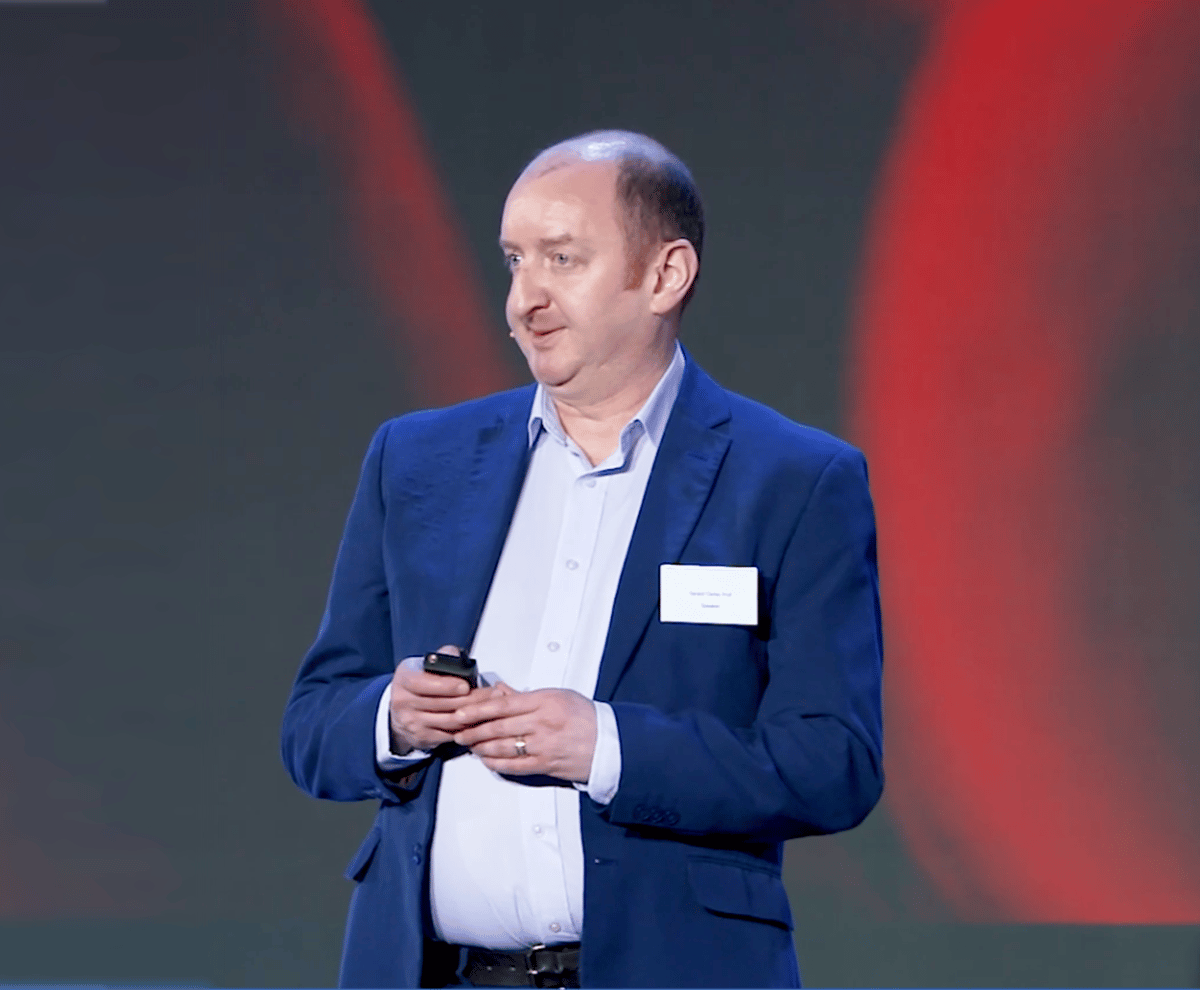
Priming for Gut, Brain and Immune Health: The Microbiome-Gut-Brain Axis, Stress-related and Neurodevelopmental Disorders
Gerard Clarke, MSc, PhD
Discover how the gut microbiota shapes brain function and behavior through the microbiome-gut-brain axis. This presentation explores how early-life microbiome development, particularly in the first 1,000 days, influences immune health, cognition, and emotional outcomes. Learn how emerging research links microbial activity to neurodevelopment, and what this means for future therapeutic approaches, such as a psychobiotics-rich diet.
This presentation is by Gerard Clarke, MSc, PhD, Professor of Neurobehavioral Science, Department of Psychiatry and Neurobehavioural Science & APC Microbiome, University College Cork, Ireland.

The Architecture of the Developing Brain: Moving Beyond IQ and EQ
Luis F. Escobar, MD
Explore the evolutionary power of gestation and its impact on early human development. This presentation highlights how factors occurring during gestation and after birth play a critical role in early neurodevelopment. Both the intrauterine and postnatal environments, including breastfeeding, influence gene expression and support the rapid brain growth that takes place during the first two years of life. Key nutrients such as DHA, ARA, and MFGM are important in supporting optimal brain structure and cognitive development during this foundational period.
This presentation is by Luis F. Escobar, MD, Medical Director of the Medical Genetics and Neurodevelopmental Center at Peyton Manning Children’s Hospital at Ascension in Indianapolis, Indiana, and Clinical Associate Professor at Marian University College of Indiana.

C-Section Birth and Early-Life Gut Dysbiosis: Implications for Child Health Outcomes
Marion Aw, MD, FRCPCH
Learn how Caesarean-section delivery and subsequent dysbiosis is associated with an increased incidence of asthma, allergic rhinitis, and food allergies in childhood, and discover the multiprong approach needed to address this issue and its impact on long-term health outcomes.
This presentation is by Marion Aw, MD, FRCPCH, Head of the Division of Paediatric Gastroenterology, Nutrition, Hepatology and Liver Transplantation at the Department of Paediatrics, National University Health System, Singapore.

Executive Function and IQ in the Digital Age: What Pediatricians Need to Know
Tjhin Wiguna, PhD
Explore how the digital age is reshaping child development and behavior. This presentation examines the gap between IQ and executive function, highlighting why “smart” children may still struggle with attention, organization, and emotional control. Learn practical approaches to assessing executive function and supporting real-world performance in today’s screen-driven environments.
This presentation is by Tjhin Wiguna, PhD, Child and Adolescent Psychiatry Division, Department of Psychiatry, Faculty of Medicine, Universitas Indonesia.

Evaluating Neurodevelopment Claims: An Evidence-Based Perspective for Pediatric Practice
Kulnipa Kittisakmontri, MD, PhD
Explore why the first 1,000 days are critical for lifelong brain development. This presentation highlights the essential nutrients and bioactive components, such as long-chain polyunsaturated fatty acids, MFGM and human milk oligosaccharides, which may contribute to different aspects of neurodevelopment. Gain insights into the evidence behind breast milk and formula innovations, and their impact on pediatric neurodevelopmental outcomes.
This presentation is by Kulnipa Kittisakmontri, MD, PhD, Associate Professor of Pediatrics, Chiang Mai University, Thailand
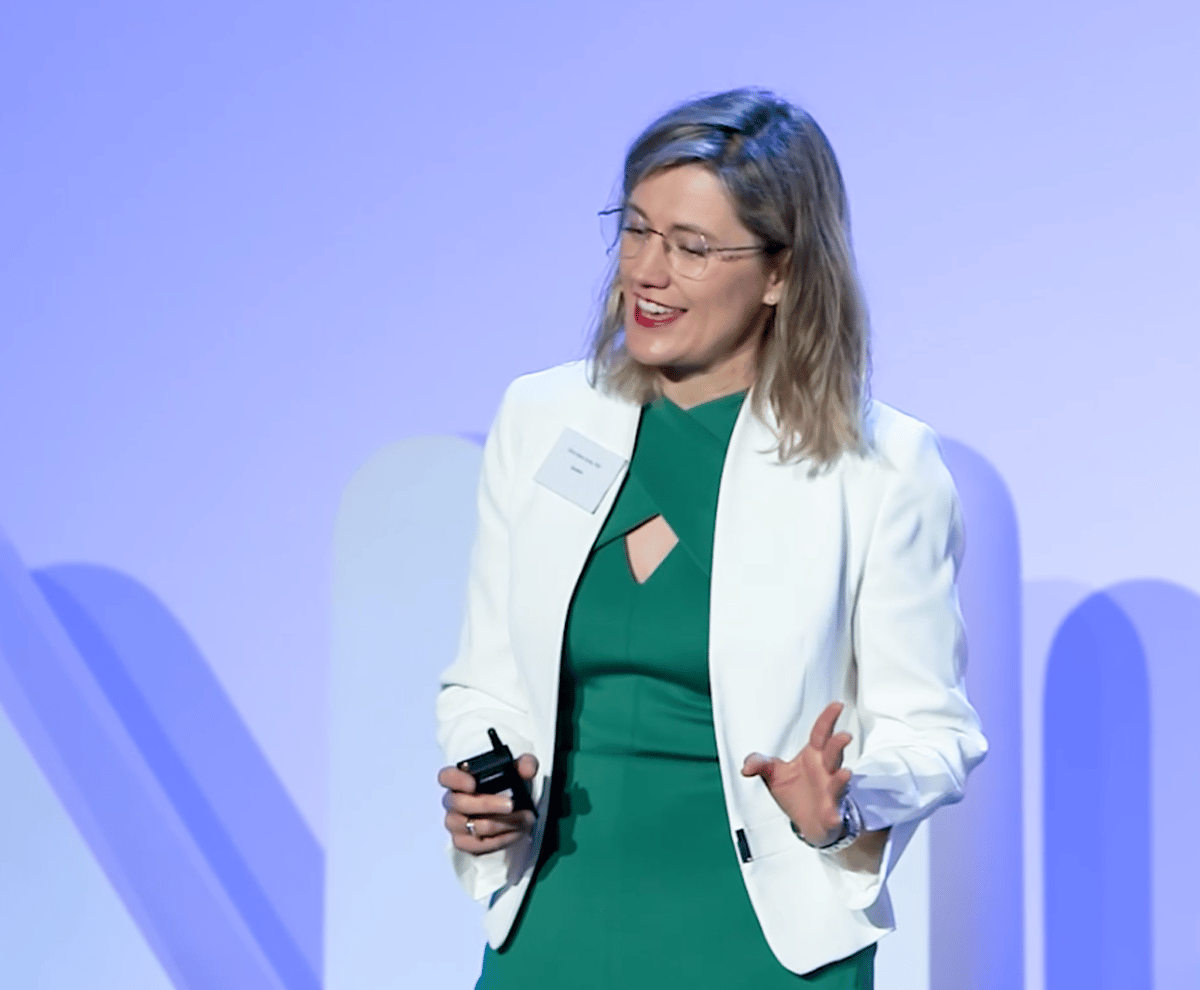
Why Babies Cry: Understanding Infant Crying – Developmental Physiology, Clinical Red Flags, and Caregiver Guidance
Silvia Álava, PhD
Explore the management of one of the most common concerns in early pediatrics – infant crying. This presentation explores the developmental patterns behind crying, how to identify red flags, and the broader impact of persistent crying on caregiver stress. Discover practical counselling strategies to guide caregivers and support healthy early family outcomes.
This presentation is by Silvia Álava, PhD, Doctor of Clinical and Health Psychology.
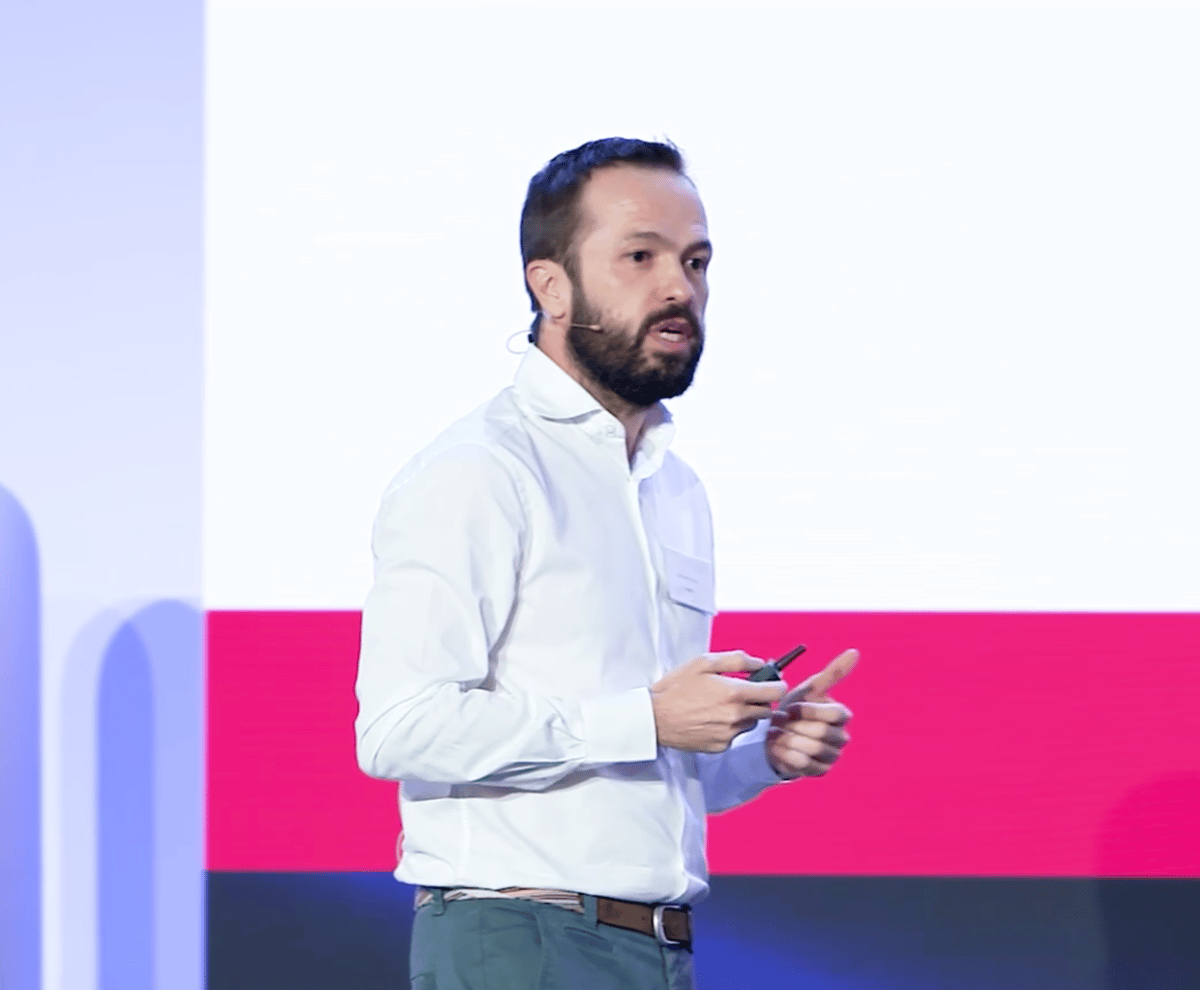
Clinical Evaluation and Management of Infant Crying and Fussiness
Gonzalo Botija Arcos, MD
Understand the causes behind infant crying and fussiness in early life. This presentation provides a structured clinical approach to differentiate normal development from gut–brain interaction disorders. Learn practical, evidence-based strategies, from feeding optimisation to targeted nutrition, to support infants and families with confidence.
This presentation is by Gonzalo Botija Arcos, MD, Hospital Universitario Fundación Alcorcón, Madrid, Spain.

HA Formulas in Clinical Practice: Myths, Misuse and the Right Clinical Boundaries
Jossie M. Rogacion, MD, MSc
Explore the evolving understanding of HA formulas in infant care. This presentation unpacks the latest evidence on partially hydrolyzed formulas, highlighting ongoing controversies around allergy risk reduction and clinical use. Gain clarity on current guidelines and practical considerations for supporting infant nutrition and comfort.
This presentation is by Jossie M. Rogacion, MD, MSc, Pediatric Gastroenterologist and Nutrition Specialist, Cavite, Philippines.
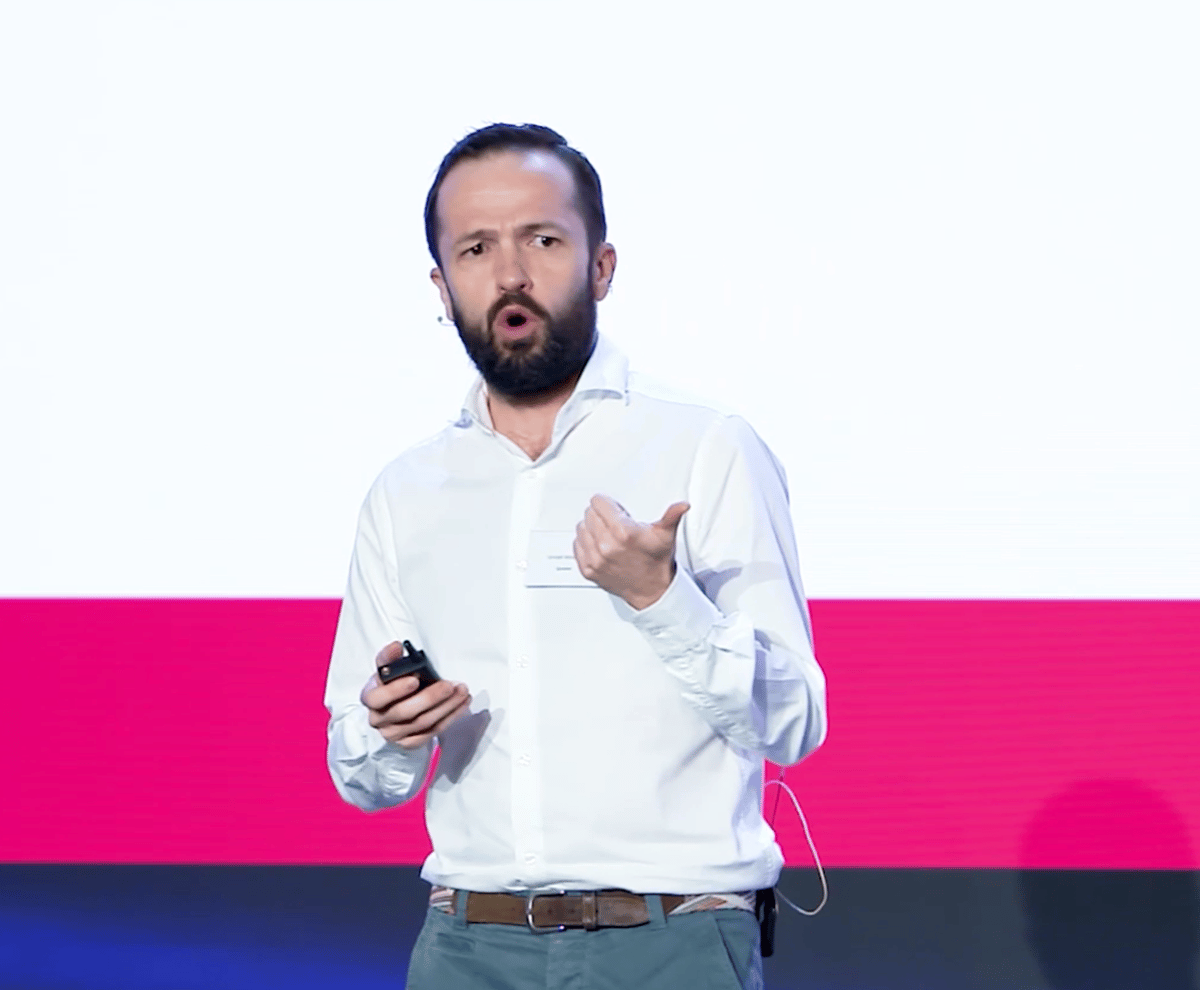
The Role of eHF + LGG in Tolerance Development
Gonzalo Botija Arcos, MD
Explore a modern approach to managing cow’s milk protein allergy in infancy. This presentation highlights the shift beyond symptoms to active allergy management, focusing on promoting long-term oral tolerance. Learn how tailored formula choices, including extensively hydrolyzed formula with Lactobacillus rhamnosus GG, can support both immediate care and future health outcomes.
This presentation is by Gonzalo Botija Arcos, MD, Hospital Universitario Fundación Alcorcón, Madrid, Spain.

Case-Based Walk-Through: From Crying to Cow’s Milk Protein Allergy
Marion Aw, MD, FRCPCH
Learn how to interpret infant crying as a key communication signal in early life. This presentation uses a case-based approach to guide clinicians in distinguishing normal causes from conditions like cow’s milk protein allergy or gastroesophageal reflux disease. Gain practical tools to make accurate diagnoses, reduce parental anxiety, and support effective, targeted management.
This presentation is by Marion Aw, MD, FRCPCH, Head of the Division of Paediatric Gastroenterology, Nutrition, Hepatology and Liver Transplantation at the Department of Paediatrics, National University Health System, Singapore.

Promoting Gut Health in the First 1000 Days of Life Through Nutrition: It is a Matter of Connection
Alessio Fasano, MD
Explore the critical role of gut health in shaping development during the first 1,000 days of life. This keynote lecture highlights how early nutrition and the microbiome influence immune function, brain development, and long-term health outcomes. Discover emerging insights into how supporting the gut can help optimize lifelong wellbeing.
This presentation is by Dr. Alessio Fasano, SVP R&D, Chief Science and Medical Officer, Mead Johnson Nutrition.