The Evolution of Early Nutrition and Long-term health
Explore how early nutrition during the first 1,000 days of life can impact infant health and long-term growth and disease. Learn from Prof. Rosan Meyer about the nutrients that breastmilk and complementary foods can provide to support infant nutrition and optimal development.
This presentation was delivered at MJNI’s 2024 Global Nutrition Summit by Prof. Rosan Meyer, RD, PhD, Pediatric Dietitian, SBSKidzNutrition Ltd.

Narrator:
Introducing Professor Rosan Meyer, a renowned expert in dietetics with extensive experience spanning over two decades, following her PhD from Imperial College London, she has been actively involved in academia and has co-led the Food Hypersensitivity Module at Imperial College London from 2008 to 2023, and currently holds visiting professor positions at KU Leuven and the University of Winchester. Professor Meyer previously served as the principal research dietitian for gastro allergy at Great Ormond Street Hospital, and later at St Thomas Hospital until 2018, where she specialized in food hypersensitivity and aversive eating.
She also serves as chair for the EAACI Allied Health and Primary Care and the trustee for ARFID Awareness UK, and is dedicated to advancing the field of diet and nutrition and allergy, evidenced by her numerous publications and leadership roles within organizations such as INDANA. Please welcome Professor Meyer.
Professor Rosan Meyer:
Good morning everybody. Or for some of us, it's good night and some of us it's good afternoon, but it's it's great to have you all here. I want to start off with saying thank you for the invitation. By Mead, Johnson, I don't think you know what organization goes into this, so thank you for having us. Now I feel I'm the warm up act because what I will talk about is really touching on a lot of different little subjects.
But you will get the detail, on, for example, complimentary feeding, on allergy, on colicky type of symptoms later. So see my presentation today really as a journey through, showing how nutrition really impacts, later life development achievements for children. I'm going to start off by showing my disclosures, which includes, of course, presentations like this. So what am I going to talk about?
I am going to take you through a whistle stop journey from thinking about early growth and later life health, thinking about nutrigenomics, but really shortly then thinking about the mode of feeding, really promoting breast feeding, which is so important, thinking about complementary feeding. And as, as you know, you will get an in detail presentation on that as well.
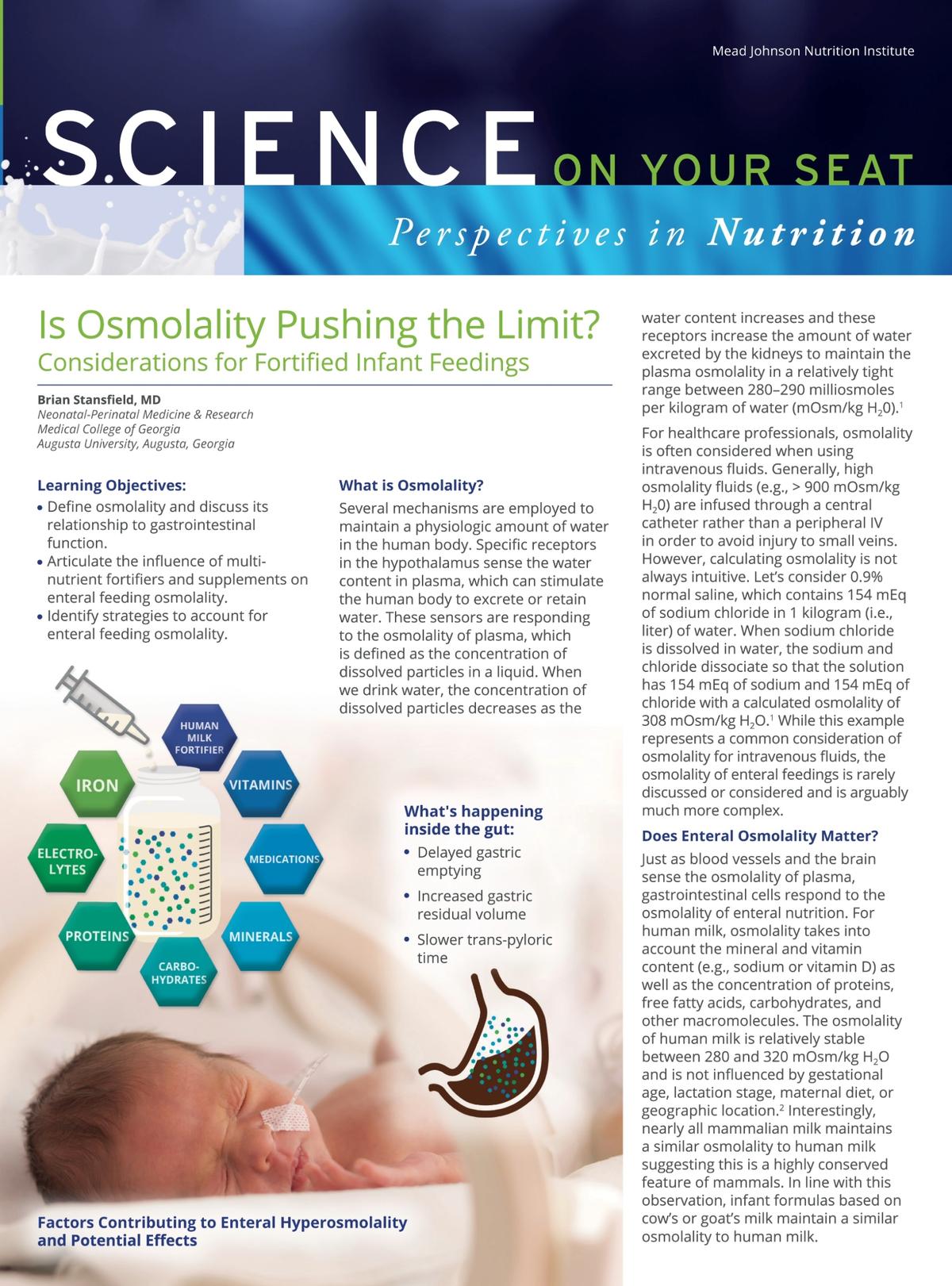
Then touching on ultra processed foods, which is something that is really concerning us when we think about what our infants and children are exposed to, and then really wrapping up, thinking about feeding development and the association on the relationship children have to food and how that impacts on them in later life. Now, I think all of us have used the term you are what you eat, but I don't know if all of you know the origin of it.
And it actually originates in France, like many good things around food from 1826. And it basically says Dis-moi ce que tu manges, je te dirai ce que tu es, which basically says, tell me what you eat and I will tell you what you are. I don't think in 1826 the meaning and the impact of you are what you eat really resonated.
But we do now know that it starts in pregnancy, that the way the mother eats the general health is how the child will be influenced for the rest of their life. In our pediatric training, all of us have seen this graph, which is the longitudinal growth over time with a very high velocity during early infancy, in particular in height growth and, where up to 50% of growth is achieved within the first two years of life if this is affected.
So if a child is stunted and does not catch up. We know that it impacts on a lower educational attainment. So cognitive ambition, the work force and the productivity and wages and adulthood is impacted by stunting. In fact, a very good reasonable statistical analysis on wages in the US has estimated that for the private sector, stunting costs, the US $135 billion per annum.
If $1 was invested for stunting, then the return in terms of productivity would be up to $80. But we know that this starts much earlier. And I want to start off really during the intrauterine phase, because we're nutrigenomics and the impact of the maternal diet and how the mother eats has an impact on the gene expression.
One of the most common examples is really the malnutrition or the poor nutrition and, the undernutrition of the mother during, pregnancy, which then has a long-term impact on the metabolism for glucose metabolism and is linked to childhood obesity. I think all of us heard, read about the thrifty gene hypothesis, which started to evolve from 1962 after the Dutch famine, and we still see the impact of that to this day.
This is just one example. We also do know that there is a window of opportunity when we’re talking about growth. I'm using here the Barker data that was generated from 4000 just plus minus girls, 4000 plus and minus boys that had full data sets that were born between 1933 and 1944. So during the Second World War, and that full data sets for them until a late adulthood, they've taken those that had cardiovascular disease and found a very clear, correlation.
So those that had cardiovascular disease were smaller, had a low BMI below the age of two. And the assessment there was really that below the age of two, you have critical, formation of your muscle mass and not I'm not just talking about the muscle mass here around your, functional organs. And if that does not occur, it can have a long term health.
So that's why we often say promote growth before the age of two. So to prevent catch up, that's excessive. After the age of two. But we know micronutrients which are often forgotten is also important. All of you know that hidden hunger is now the fourth criteria of malnutrition. And under the WHO in particular, we thinking about worldwide iodine, zinc, vitamin A, iron deficiency.
But there are multiple other micronutrients. If you think about folate during pregnancy that has a long term effect. I want to take you through zinc and I know it looks quite small there, but zinc has a huge impact, is plays a role in about 100 metabolic functions in the body. And we do know that zinc deficiency during pregnancy can have a long term impact on most of the organs of the child.
So it's really important that we think about it, because I'm sure you know that it's estimated between 30 and 40% of pregnant women worldwide have some form of deficiency, and that depends on the country that you are. We were talking yesterday that in the UK we identify amongst young mothers an iodine deficiency as being a significant problem because we don’t.t have a national iodine supplementation program there.
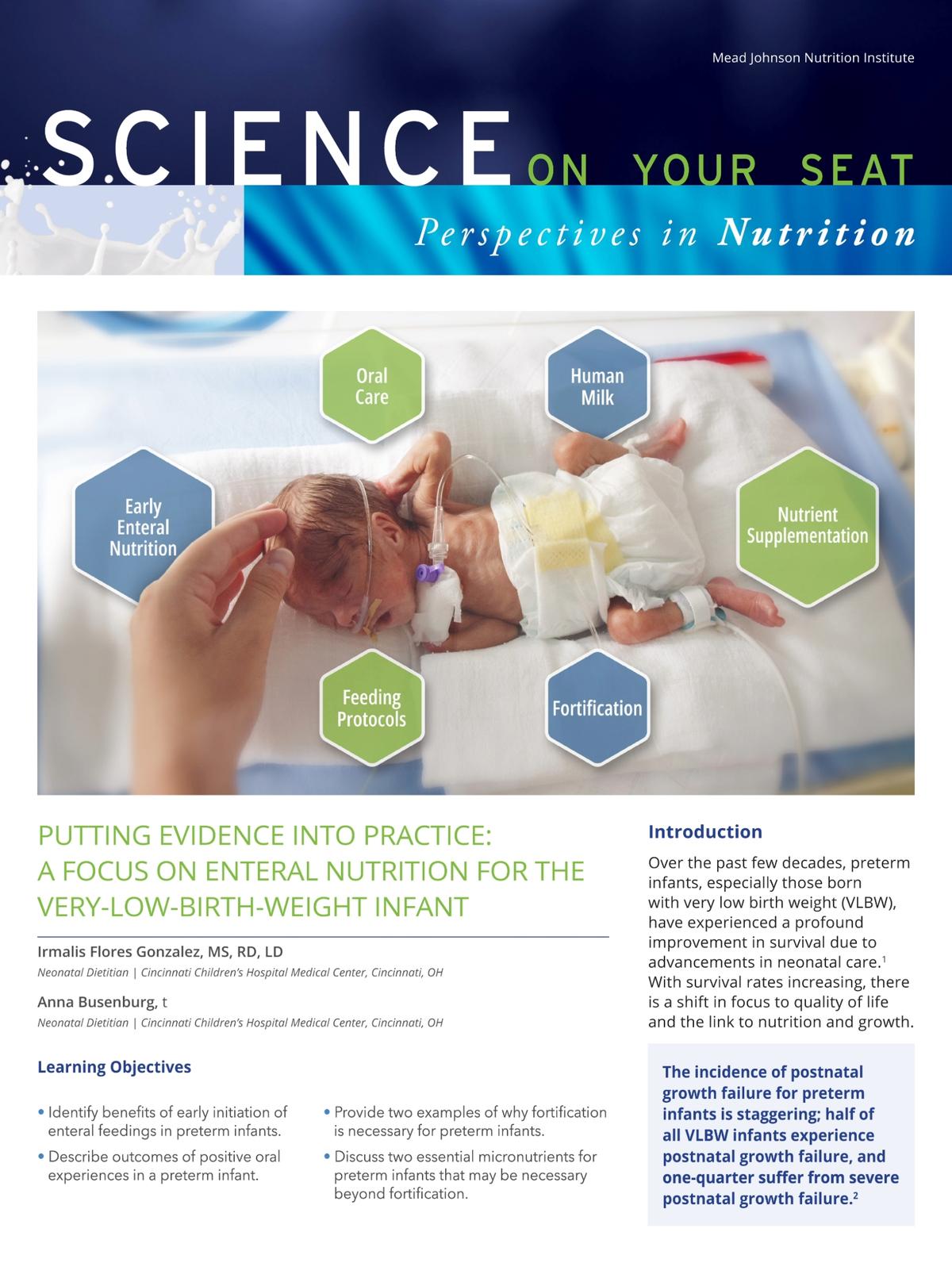
Now let's focus. We've spoken about, you know, pregnancy. So the first part of the thousand day. So let's think about where do we go next. So if we thinking about the first year of life that's the time when breastfeeding needs to be promoted and when breastfeeding is not available. And for whatever reason, we do need to be educating ourselves in terms of infant formula as well.
I think every Congress that I go to, there's new data presented on the long term immunological benefits of breastfeeding. And if there's one message that comes through is to kind of think about the mother's diet, as well, that changes the breast milk quality, quantity. And we know now also from data that's presented, if the mother consumes junk food, the advanced glycation antibodies also transfers through breast milk at high levels.
But we also know that there's a strong impact on the microbiome through the entero-mammary pathway, which is unique to the mother. And there's some amazing data to show up till the age of one, the shared microbiome between the mother and the child is the highest and the most significant. And that's how passive immunity is also transferred. And we also know that antibodies get transferred as well.
But when breast milk is not available, we do need to be aware that we also have infant formula that have bioactive substances that may have immunological impacts, that have long term impact, that might include your lactoferrin, your taurine in terms of your development, your prebiotics. More recently, there HMO so the human milk oligosaccharides that impact on the microbiome.
We have probiotics. We have synbiotics, we have long chain polyunsaturated fatty acids. And what you learn today, in much more detail, is the milk fat globule membrane that can also now be added to infant formula. I think one of the impacts that we see over the last, I think now it's 11 years that the data has come out, is the impact of Lactobacillus GG.
And we have data in terms of tolerance induction, for children with cow’s milk allergy starting first in 2013, where a study showed in an extensively hydrolyzed casein formula when you compare with or without. So the bar that you have I think depending on where you sit. So to the right there are also to your right shows that those children that received the LGG strain develop tolerance to cow’s milk much faster that a data continued.
And we have more data coming out that beyond just tolerance induction that your atopic comorbidities reduce. Also, if you modulate the microbiome and we also have the reduction of functional gastrointestinal disorder now called also disorders of gut brain interaction are significantly reduced. And immune tolerance induction occurs. This is in fact been recently taken up, taken up by the DRACMA guidelines.
The DRACMA guidance, using a systematic approach and great approach to rating studies with a no suggest that where available, that using a feed with LGG may be beneficial for children with cow’s milk allergy. Now, if we move on to that period of time, in the first, year of life, it's also the time where complementary foods are introduced.
Complementary foods has a significant impact on the microbiome. This is a lovely study just showing where they found children, where they had solids introduced early. And I just want to say you will see three months. This was not randomized that you have to introduce because that would be contrary to the WHO. It was just observational. And they found that the Shannon diversity in terms of the microbiome is significantly different in those where there was, an introduction of solid foods, age appropriately.
Now, dietary diversity, certainly for us, working in food hypersensitivity has long been recognized as being of critical importance. It is hypothesized that the diversity, really expands the microbiome, but also the diversity expands the exposure to different allergens and that the early exposure to, certain allergens seems to have a tolerogenic effect. And so our position paper that I was involved with Karina Venter from EAACI really proposes to expand when solid foods are introduced, fast and quickly, in particular, also around the allergens to prevent allergies, but to create also a diverse microbiome.
Most probably the strongest data that we have in terms of early impact and long term impact around allergies. The LEAP study that's learning early about peanut allergy, where children were randomized at four months of age, to receiving either peanut from that age early on at a 2g dose. So that's two teaspoons per week versus those that were receive complementary foods at six months and had, were on peanut avoidance.
The impact was hugely statistically significant. Where the group that did not have early peanut introduction, developed a peanut allergy at a 13.7%, and the ones where peanut allergy, allergen was introduced from four months of age came right down. I've just come back and the 8 to 10 year old follow up has been shown to have still an impact from that early exposure, and it's in particular this 4 to 6 month period that seems to be important.
So let's move on now from the LEAP study where we talk about early introduction, you will have more information. I'm just touching on all of these subjects for you later. I want to touch on a topic that has really been occupying us, hugely. That's the concern about ultra processed foods, an increase in ultra processed foods in children.
I'm sure it's the same in every country that you have more of these ready made foods that are sold as healthy snacks for children, but they, in fact, are ultra processed. What is ultra processed foods? They're normally foods that have five or more ingredients. They're foods that include outside of salt and sugar, and oils and fats. They also include, emulsifiers, non-sugar sweeteners.
For example. Mannitols, sorbitols, xylitol. They contain colorings, flavorings, highly heated ingredients, that change with heating. And when we looked at the data and I'm just not going to show you data, but more the headlines in the newspapers that we've had, is that nearly a third of babies in the UK are sold, The foods that are sold are ultra processed and are real concern.
Because why it's a real concern. And I think the model that's most, best established is around the advanced glycation end products. It was, Pete Smith that started this theory, looking at it, now more than ten years ago, in the context of allergy and was able to correlate that. So what is what are advanced glycation end products?
All of you will know when I explain to you. So it's a family of compounds that, occurred because of non-enzymatic reactions. And that's when it's heated. Your typical Maillard reaction which has reducing sugars, proteins and lipids. So for example fried meats, fried foods, high sugar fried foods, your donuts those type of products. Bacon for example.
Very high in, advanced glycation end products. If you are grilling as a South African, even barbecuing, it's very sad, but increases the advanced glycation end products and has been linked to a low grade inflammation. Now, I can't talk about it hugely But I think what is very nice to think about if you want a very good updated article, this is a BMJ publication that was just published about three weeks ago.
It is a systematic review and a meta analysis, where they've used a grading system and have used the prison system to assess studies. Now it looks pretty difficult, but what you're looking after is the darker pink and the number one, the convincing, data for the convincing, they use the p-values and the i2 values to see whether it's convincing, whether the data is quite convincing in terms of advanced glycation end products and ultra processed food is diabetes, cardiovascular diseases.
And we starting to get really good data. Also looking at mental health. And also oncology. So cancer as well. So if we go and move to our final stages of this presentation, that the time of complimentary feeding is also the time when a child develops their relationship to food. And that is I love eating. It's a social environment.
And I have a positive relationship to foods, which often has been associated to obesity or even, the other side, underweight in later life. It is amazing when you see the development that needs to occur, sucking is an inherent, reflex that children have, the sucking from a teat, a nipple, but that can be disrupted from early on.
For example, if every time they were drinking milk, they have severe reflux and pain. So a baby then associates drinking from the breast as being an in discomfort or drinking from the bottle. So you can get bottle aversion. On the other hand, between 6 and 10 months, it's the tongue movement from a, forward backward tongue. Move to a lateral tongue movement that has to occur before you can start chewing.
And during that period of time, we know that if a child was refluxing early on, there will be more sensitive to textures. So that can be disrupted so that they gag and choke on different textures. So then often parents become very worried about moving up in textures. And we know if by ten months they've not expanded the variety in the texture, then they become quite specific about the foods when they move in, particularly through the near neophobic phase, which starts after the age of one.
All of us went through the neophobic phase. It is thought to be an inherent mechanism to prevent us when we start walking from eating green poisonous plants, you'll see that toddlers automatically they love their broccoli and the parents would say no, they hate their broccoli. So it comes from that period of time. And so you can see that these milestones are there.
And depending on how not only we as healthcare professionals react, but parents react, you can have a positive or a negative association with food. This is also very important. The way we manage our children with food allergy has a long term effect, and I wanted to show how taste can really impact. And it's been shown that children who have had exposure to hypoallergenic formulas, which have a peculiar taste, it then programs, like for certain tastes and the taste that it it in particular promotes is bitter taste.
This is again quite small, but it's a study done by Karina Fenton and her team where they looked at children at 11 years of age, who were all on specialist feeds that had a confirmed cow's milk allergy, and then did the taste test and found that bitter taste, even at 11 years, was still the predominant and preferred taste of chewing.
So even our management of conditions has a long term nutritional impact. So now I'm going to prepare you for getting your, your, mobile phones out. And we're going to start practicing because you're going to do all of these questions. I'm going to ask you and give you time, because over this time, all of us will have heard what is an important ingredient for growth.
And I'm going to ask you what for you is the most important requirement for normal growth and development? And use your phones to vote because we have different options. You can say, okay, for me the most important is zinc and iron. You can say no energy and protein is, for me, the most important for growth. You can say love and care is the most important.
Or you can say, no, actually it's just vitamin D, which is the most important. So I'm going to give you a little bit of time to think about it. This is music that's going to play as well.
It's very interesting. The. Let's see.
Okay. I'm going to ask my colleagues there at the back. I can see it's stops moving. So the vast majority of you say energy and protein is the most important. We have some that say zinc and iron second best. And then nobody says vitamin D. Well, 1.2% and then love and care almost 20%. So, I would be happy to kind of move on to my next slide.
Love and care, in fact, is the most important.
So, ladies and gentlemen, here, we are all science driven. As a dietitian, I would love to say to you it's energy and protein. But all of us remember. And I remember I was just finishing my training as a diet, as a dietitian. And the images of the Romanian orphanages just came through on the media. And that was the time when to, Ceaușescu, the dictatorship was toppled and you had all of these orphanages that were suddenly open to assessment for the outside world.
What happened after that was you have the same in the UK, and then you have the same in Canada. So there are about 40 studies available. And I'm just paraphrasing now, one of the UK studies where they compared those that received were adopted within the UK and looked at growth, development, their mental health, and looked at those that were institutionalized versus those who were noninstitutionalized.
So what you need to remember and I've got just a small photo here, is that there were virtually no toys or educational activities. In fact if you look at the photos for feeding, many of them had a bottle tied to the bed and the children were fed, s nutrient wise, they were given sufficient energy and protein. They were given formulas, but these were just tied to a bed.
There was not no holding, no emotional kind of a tie to that at all. And when they looked at these children, for me, of course, it was disappointing, but also reassuring. The bottom line showed that the sub nutrition or the, played a very little role in terms of their malnutrition and the most important role was the fact whether they had care and nourishment, the mental health or mental health, it's the wrong word at that stage.
But the love and care that they had, we do have data on. That so, emotional deprivation can lead to growth along the axis of the hormone IGF-1and hypothalamic axis. So if you want to read up on that. So at the end, that's something all of us in our hospitals, we do go to the bedside. As a dietitian I kind of write up and saying I want 120 kilo-calories per kilogram, I want 2g of protein.
But if that child is not being looked after and has the love and care we often will not find the growth that we want to have. So do not forget to stop caring, for your patients and to ensure that it is part of the questions that you ask. If the child is not growing, if everything is going, the energy, the protein, the iron, the zinc, and all of those to make sure that there's not emotional deprivation.
Which brings me to my final slides, that nutritional intake during the prenatal period has an impact on long term health. I hope I've given you a snapshot. Children do almost 50% of their height growth, and I've shown you that it has an impact on your cognitive ability and the later life productivity. There's huge immune plasticity. And so we see this in our food allergic children that we can actually modulate the outcome on the allergy if we act really early on.
And that's similar to other disorders, then you'll learn more today about MFGM and the role it plays in terms of, the development of the brain in terms of prevention. I, I've heard the talk also in terms of the elderly. We will think about the microbiome diversity and the relationship to child food that develops has a really long term impact.
And I hope the last and most important is the caregiver love and care that a child gets. Thank you very much.