Key Take Outs
Types of biotics for infant health
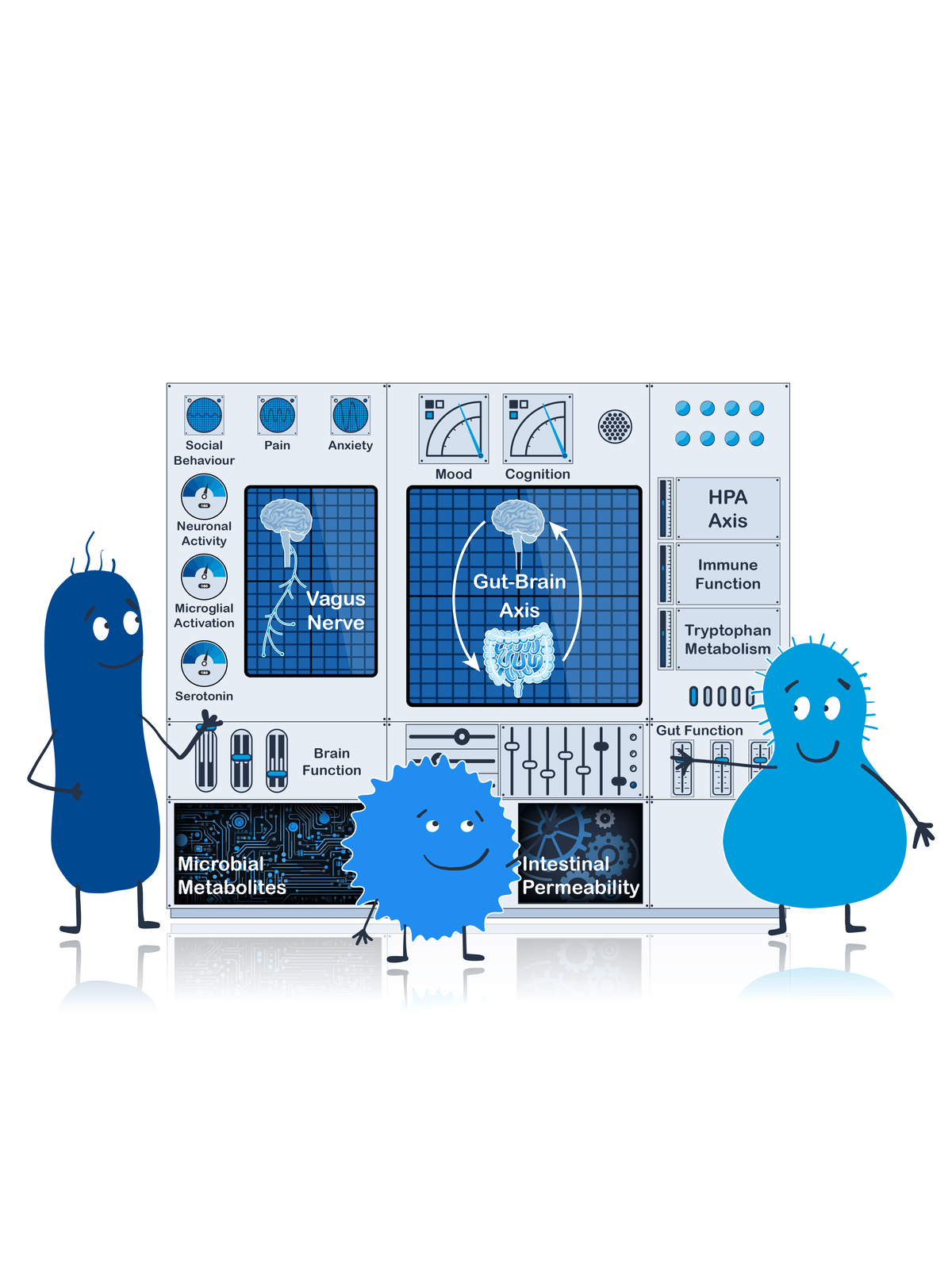
Understanding how beneficial bacteria can positively influence the composition and activities of infants’ gut microbiota is crucial for providing informed recommendations and support for the health of babies. Biotics, including prebiotics, probiotics, synbiotics, and postbiotics, may play a role in balancing beneficial and pathogenic bacteria, gut barrier protection, colic relief, and reducing the risk of infections and diarrhea.
Explore the table for a summary of each type of biotic.
Types of biotics table
| Type | Examples | Presence of Live Organism | Description | Demonstrated Health Benefit Required? |
| Prebiotic | HMO, PDX, GOS, FOS | No | “Food” for probiotics | Yes |
| Probiotic | LGG, B. Lactis | Yes | Living microorganisms that confer a health benefit | Yes |
| Synbiotic | B. Breve + scGOS/IcFOS | Yes | Mixture of prebiotic and probiotic | Yes |
| Postbiotic | Lactobacillus paracasei (CBA L74) | No | Preparation of inanimate microorganisms and/or their components | Yes |
| Fermented foods | Yogurt, Kimchi, Sauerkraut | Yes, in some cases | Foods made through desired microbial growth and enzymatic conversions of food components | Yes, for certain fermented foods |

.webp?width=1200&quality=75&auto=webp)