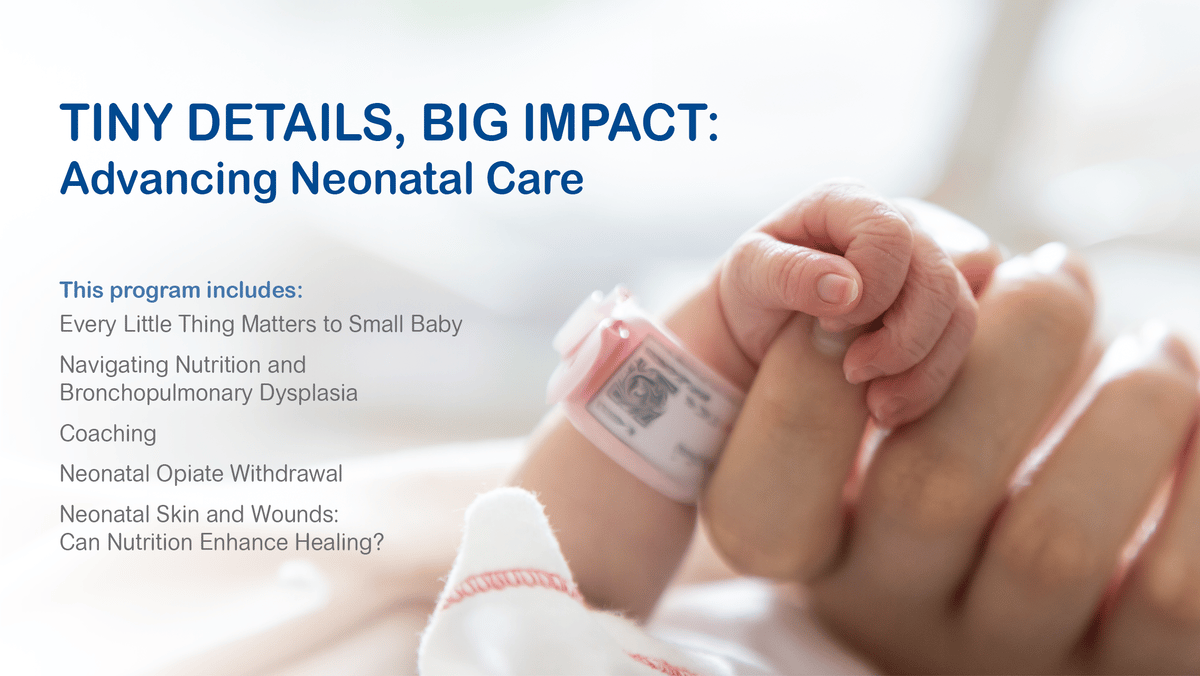
This half-day virtual conference designed for nurses and dietitians in the US delivers practical guidance for infants from newborn to post-discharge. Sessions explore neonatal skin care standards, responding to rising acuity of the breastfeeding dyad, nutrition transitions for NICU infants at and after discharge, cultivating psychological safety to elevate team communication, and delivering respectful care in the NICU amid substance use disorder—plus panel Q&As and closing remarks.
At the conclusion of the program, participants are encouraged to complete a survey in order to receive a certificate of participation for continuing education credit hours.
.png?width=1200&quality=75&auto=webp)
Learning Objectives:
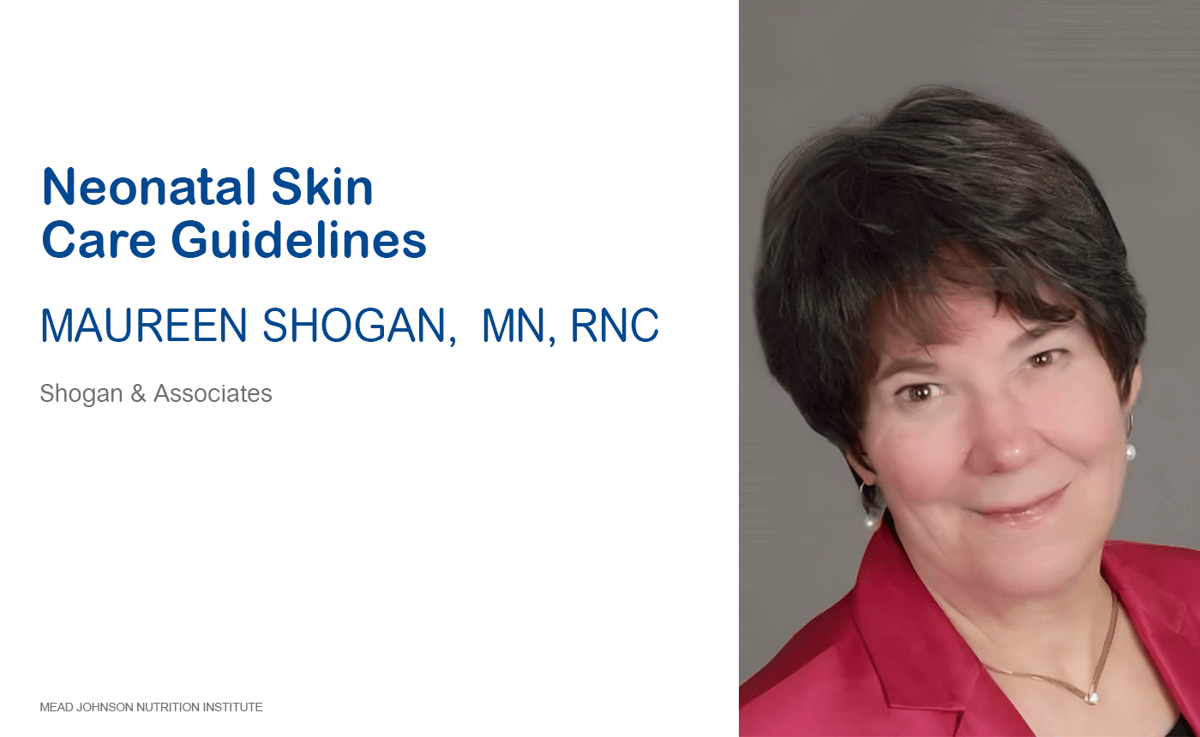
- Identify the differences between preterm and full-term skin
- Explain proactive evidence-based measures to ameliorate skin breakdown in the preterm, those with nutrient deficiencies, and newborns experiencing NOWS
- Summarize evidence-based skin care interventions that prevent injury and promote healing
Learning Objectives:
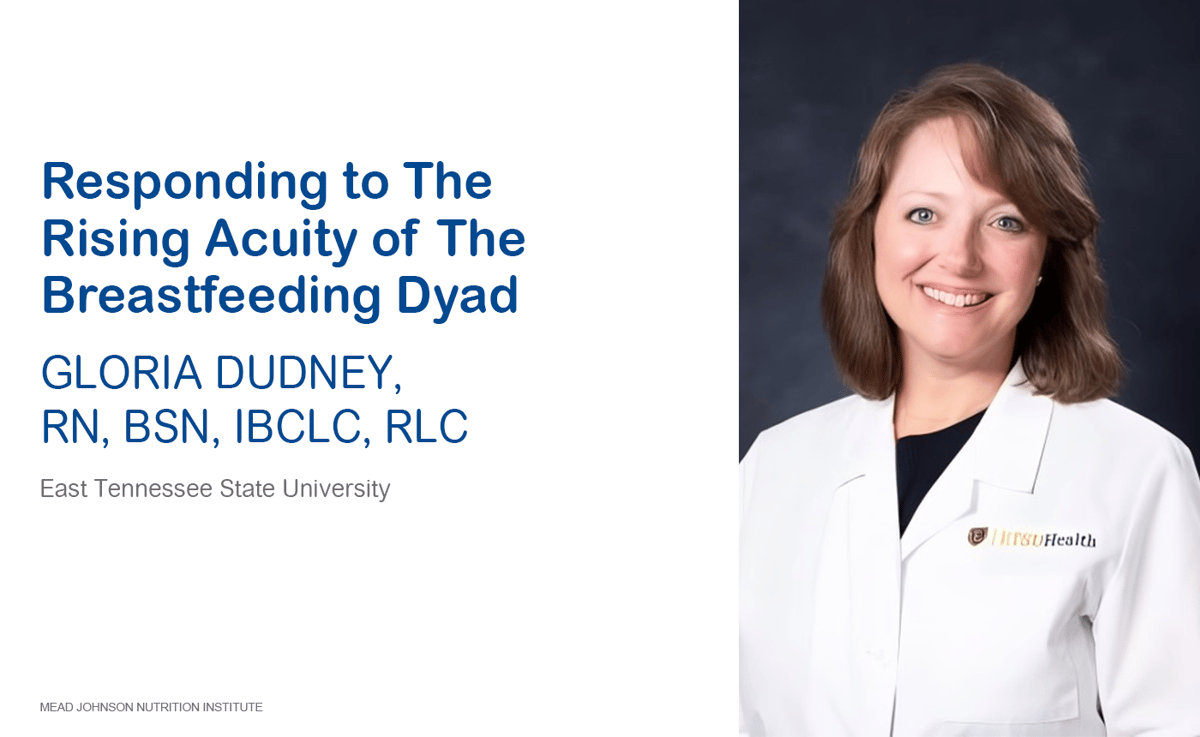
- List risk factors for delayed breast milk onset and prolonged insufficient milk production
- Assess updated guidance for supplementation threshold
- Analyze strategies for maximizing breastfeeding intensity and duration in the at-risk population
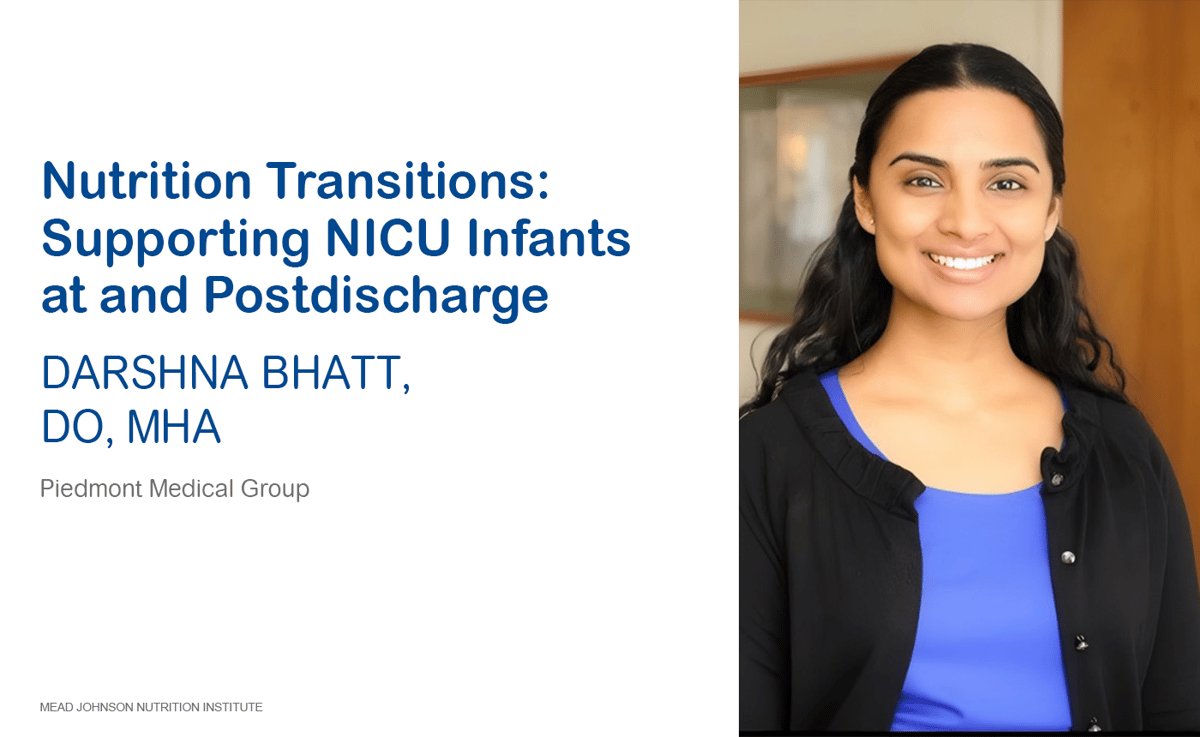
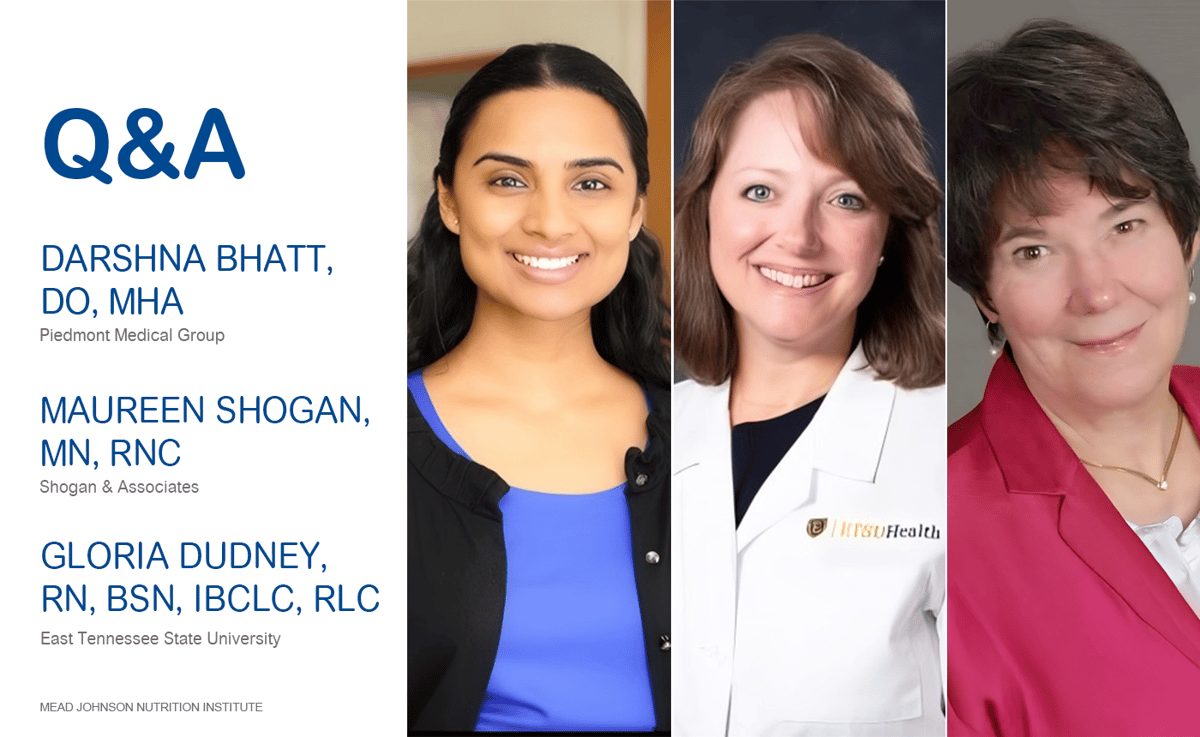
Learning Objectives:
- Identify key nutritional risks in higher risk as they transition from NICU to home
- Evaluate individualized nutrition plans that support growth and development
- Access community and outpatient resources to support families in managing nutrition at home
Learning Objectives:
- Explain the significance of both voluntary and involuntary parental relinquishment in the context of SUD and perinatal care
- Examine scenarios when Safe Haven laws can be utilized to support families affected by SUD and promote infant well-being
- Identify and address the complexities of ambiguous loss experienced by parents in perinatal services, particularly those impacted by SUD
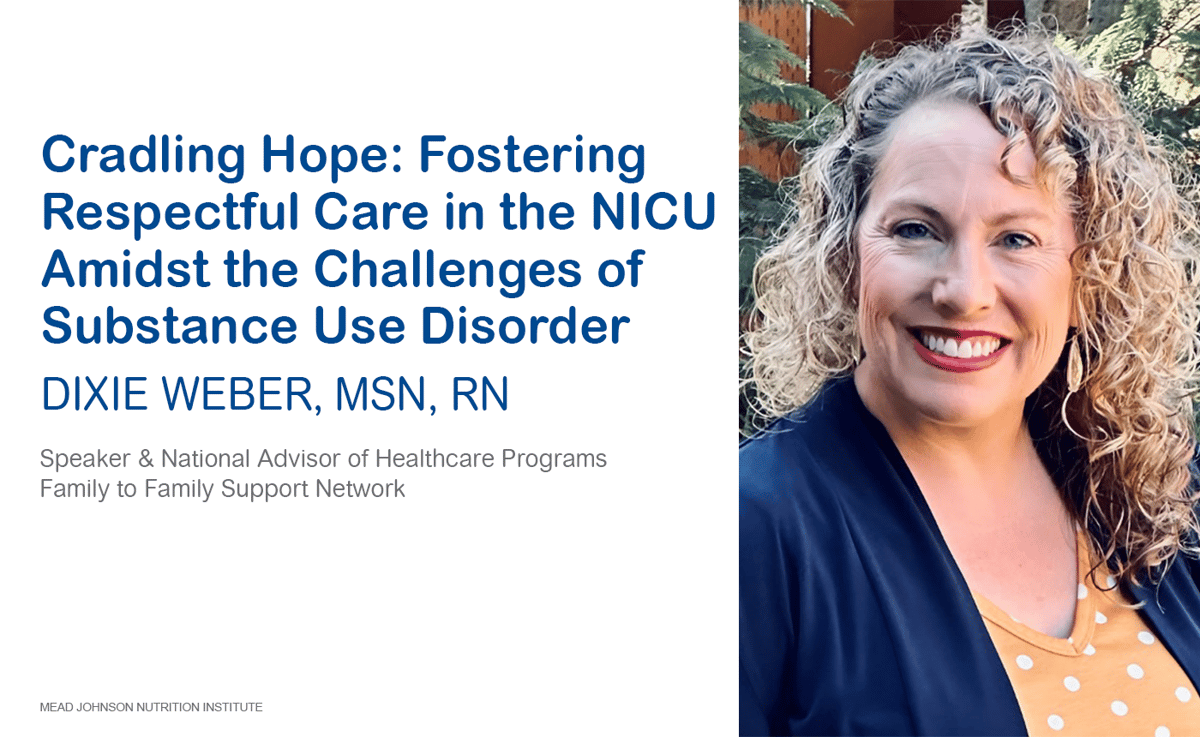
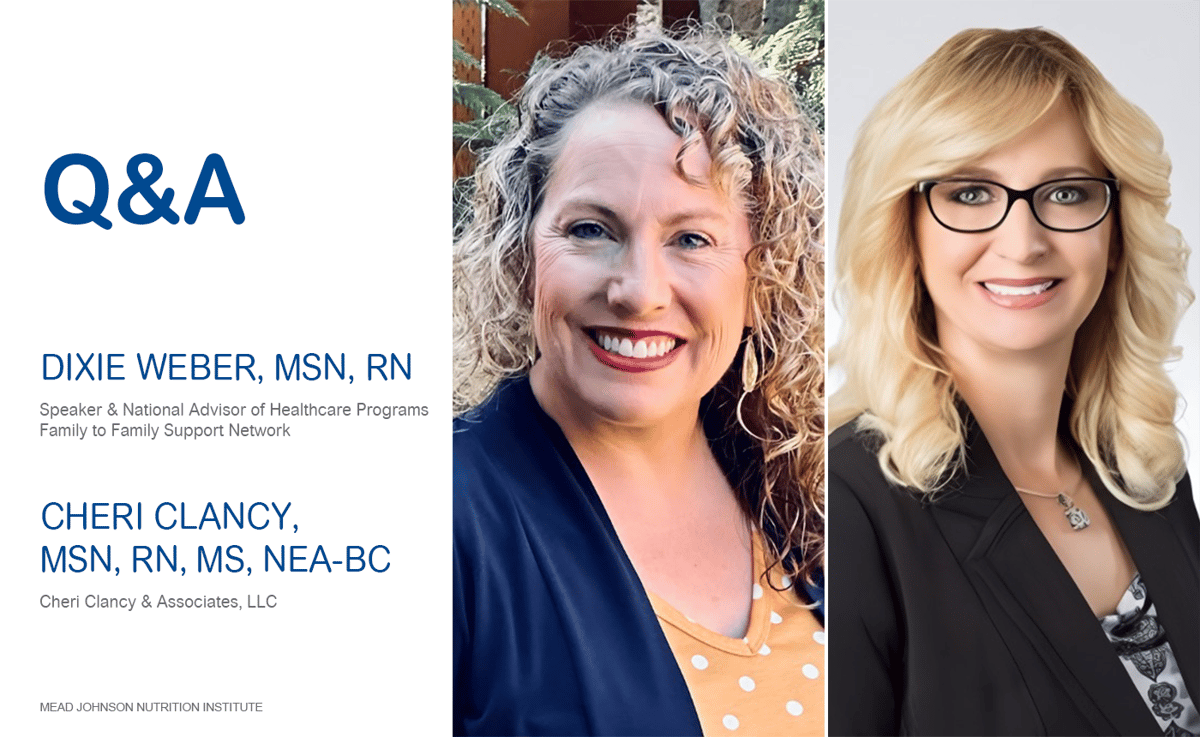
Learning Objectives:
- Explain the significance of both voluntary and involuntary parental relinquishment in the context of SUD and perinatal care
- Examine scenarios when Safe Haven laws can be utilized to support families affected by SUD and promote infant well-being
- Identify and address the complexities of ambiguous loss experienced by parents in perinatal services, particularly those impacted by SUD
To obtain CEUs click on the survey link below to complete the survey and receive a certificate of participation for continuing education credit hours.