
Global Nutrition Summit 2025
Explore lo más reciente en ciencia de la nutrición con nuestra biblioteca de videos a demanda del Global Nutrition Summit 2025 (GNS) organizadas por el MJNI. Acceda a conferencias magistrales que presentan investigaciones innovadoras y ofrecen conocimientos valiosos con aplicaciones prácticas para enriquecer su práctica clínica y la atención a sus pacientes.
Contenido del Evento
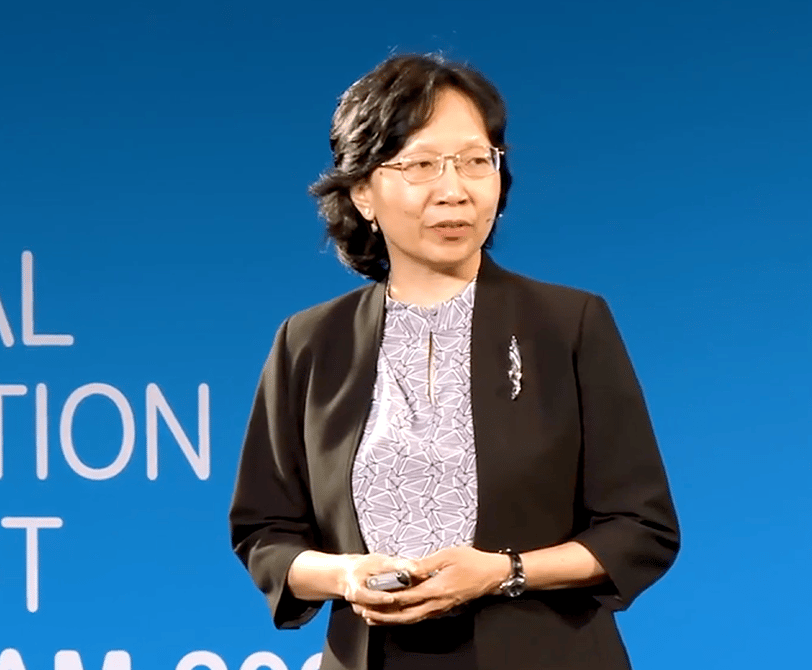
Microbiome-Gut-Brain Interaction in Children
Marion AW, MD, FRCPCH
Explore how the gut microbiome may shape the gut-brain axis in early childhood. This presentation highlights the potential impact of early gut colonization on mood, memory, and gastrointestinal function - and how disruptions may lead to disorders of gut-brain interaction.
This presentation is by Prof. Marian Aw, Head of the Division of Paediatric Gastroenterology, Nutrition, Hepatology and Liver Transplantation at the Department of Paediatrics, National University Health System, Singapore.

Stimulation and Nutrition: Two Major Ways of Promoting Development
Peter Willatts, PhD
Uncover how early stimulation and targeted nutrition may shape infant cognitive development. This presentation highlights the role of face-to-face interaction and key nutrients like DHA and (milk fat globule membrane) MFGM in supporting executive function and IQ, while cautioning against screen exposure in infants under 18 months. New findings suggest that enriching formula with MFGM may help close developmental gaps between formula-fed and breastfed infants.
This presentation is by Dr. Peter Willatts, Honorary Research Associate in the Division of Psychology of at the University of Dundee, Scotland.
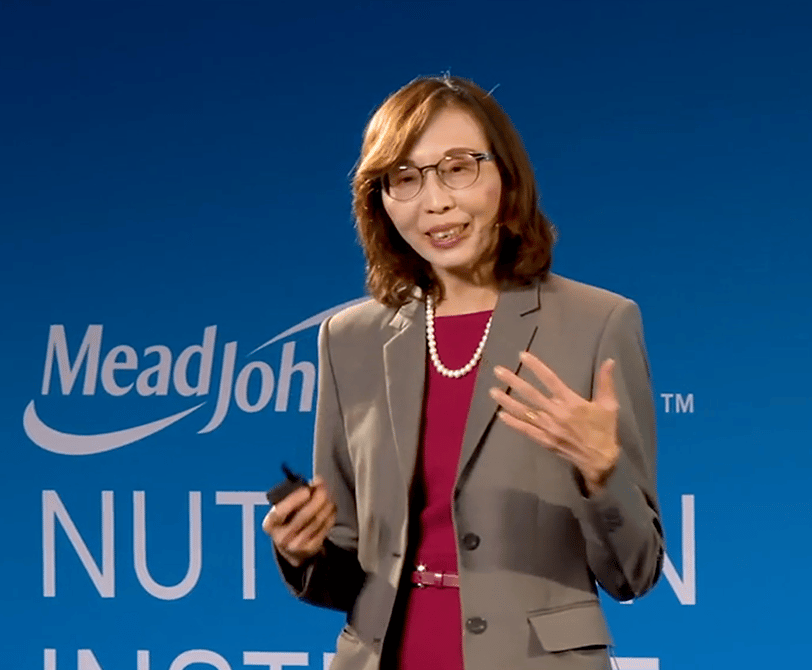
Managing Infant Colic and Constipation
Suporn Treepongkaruna, MD
Gain clinical insights into managing infant colic and constipation, two common functional GI disorders in early childhood. This presentation outlines symptom-based diagnosis using Rome IV criteria and highlights the role of parental support, nutritional strategies, and long-term therapy in improving outcomes. Emerging evidence supports the use of probiotics and comfort formulas, while family engagement remains key to treatment success.
This presentation is by Prof. Suporn Treepongkaruna, Professor of Pediatrics at the Faculty of Medicine, Ramathibodi Hospital, Mahidol University, Bangkok, Thailand.
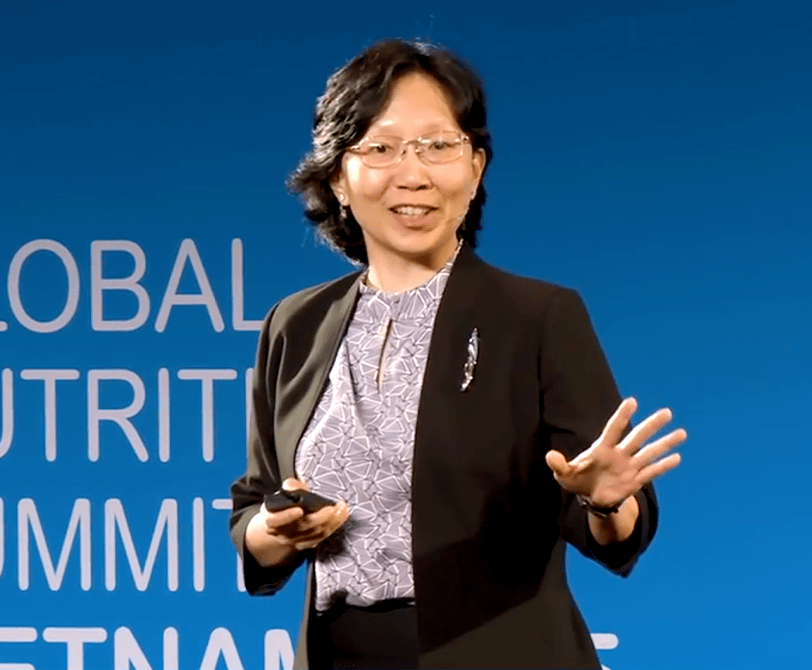
Nutrition for the Growing Child—Developing Positive Mealtime Behaviors
Marion AW, MD, FRCPCH
Learn how early nutrition and mealtime behaviors may shape long-term health and development in children. This presentation explores strategies for managing picky eating and recognizing red flags for underlying conditions. It underscores the importance of caregiver interaction and consistent exposure to varied tastes and textures.
This presentation is by Prof Marian Aw, Head of the Division of Paediatric Gastroenterology, Nutrition, Hepatology and Liver Transplantation at the Department of Paediatrics, National University Health System, Singapore.
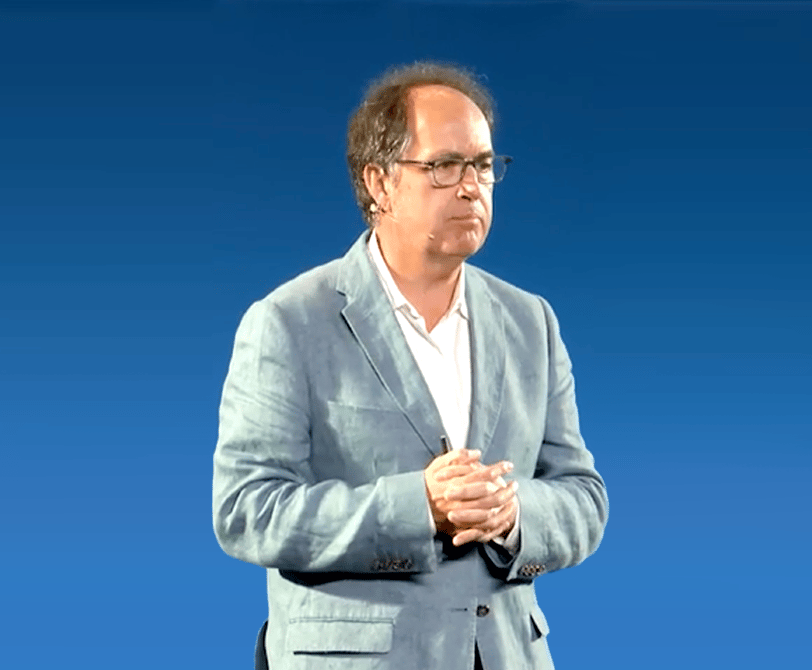
What Do Guidelines Say About Preventing Allergy and Managing CMPA
Juan José Díaz Martín, MD, PhD
Understand current guidelines for diagnosing and managing cow’s milk allergy (CMA) in infants. This presentation outlines structured approaches to diagnosis and management, including the use of hydrolyzed formulas and probiotic LGG®-supplemented formula. It also explores emerging perspectives on allergy prevention and the importance of tailored nutritional strategies.
This presentation is by Dr. Juan Jose Díaz Martín, Professor of Pediatrics at the University of Oviedo. Section of Pediatric Gastroenterology and Nutrition. Central University Hospital of Asturias, Oviedo, Spain.
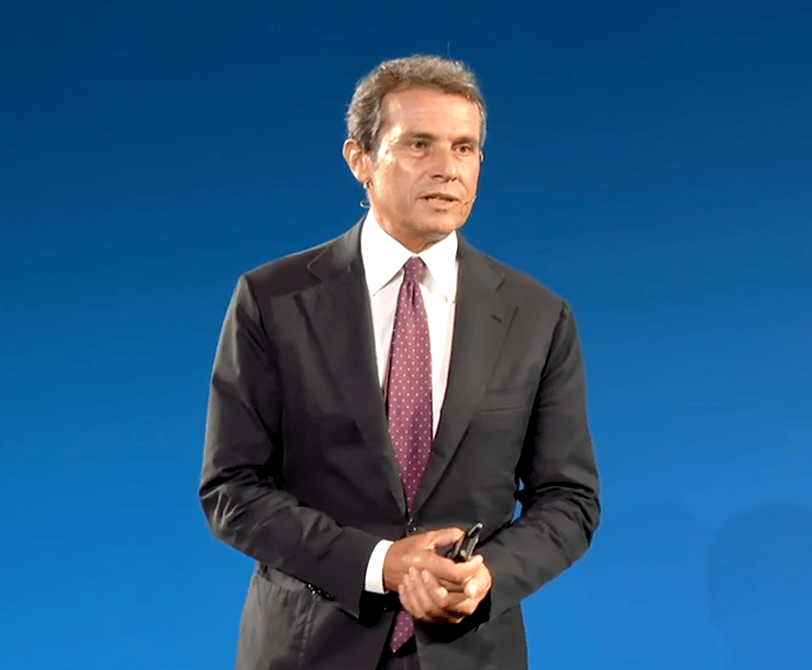
Can We Prevent Allergies
Roberto Berni Canani, MD, PhD
Explore how early-life exposures can shape immune tolerance and reduce the risk of allergic diseases. This presentation highlights the role of the exposome and targeted strategies, like early allergen introduction, in preventing conditions such as food allergy, asthma, and eczema. It underscores the importance of acting during a critical window in immune system development to build long-term resilience.
This presentation is by Prof. Roberto Berni Canani, Head, Paediatric Gastroenterology, Allergy & Nutrition Program University of Naples “Federico II”, Naples, Italy.

The Role of LGG in CMPA Management
Jon A. Vanderhoof, MD
Explore the remarkable benefits of Lactobacillus rhamnosus GG "LGG®", one of the most studied probiotic strains in the world. Known for its ability to regulate immune responses, this strain helps reduce infections and manage allergic conditions. In infants with cow’s milk protein allergy, it promotes earlier immune tolerance and may help reduce or lessen progression along the allergic march - shaping long-term gut and immune health from the start.
This presentation is by Dr. Jon Vanderhoof, Attending Physician, Division of Gastroenterology, Hepatology and Nutrition, Boston’s Children Hospital, Massachusetts, USA.
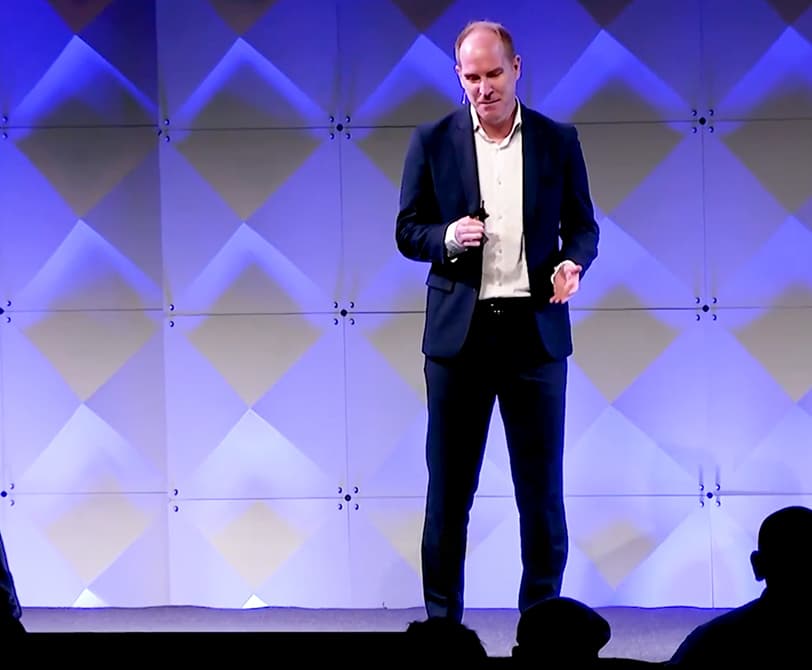
MFGM & its Effect on Brain Myelination and Neurodevelopment
Sean Deoni, PhD
Learn how milk fat globule membrane (MFGM), a rich source of sphingomyelin, phospholipids, and other brain nutrients, support myelination and cognitive outcomes in early life using advanced MRI imaging and developmental testings.
This presentation is by Dr. Sean Deoni, Associate Professor of Pediatrics and diagnostic imaging at Brown University, Rhode Island, USA.
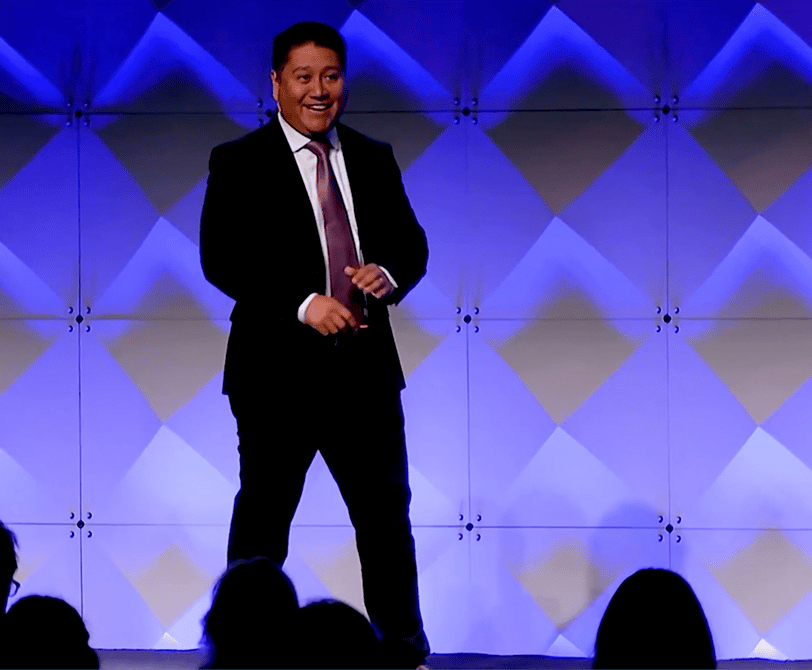
Novel Feeding Practices to Improve Outcomes
Ariel Salas, MD, MSPH
This presentation explores novel feeding strategies that support growth and better long-term outcomes in preterm infants. Growing clinical evidence support high-volume feeding and full enteral nutrition from day one in stable preterm infants - marking a shift toward more proactive, evidence-based nutritional care.
This presentation is by Dr. Ariel Salas, attending neonatologist at the Children's
Hospital of Alabama and an Associate Professor of Pediatrics at the University of Alabama at Birmingham, USA.
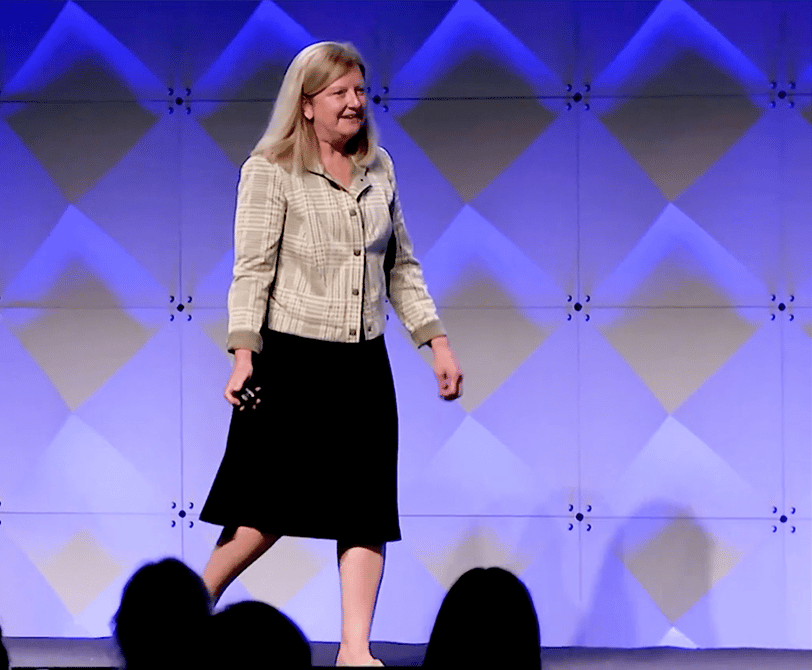
Growth Faltering: Monitoring, Early Identification & Intervention Strategy
Brenda Poindexter, MD, MS
Delve into the definition and cause for growth faltering in preterm infants, where early shifts in growth trajectory - not just a position on a growth chart - signal the need for action. Learn differences among growth charts, and how timely monitoring and targeted interventions can shape better growth and neurodevelopmental outcomes. This presentation highlights the importance of early recognition and the future of research in optimizing postnatal growth.
This presentation is by Dr. Brenda Poindexter, Division Chief of Neonatology at Children's Healthcare of Atlanta, USA.

Communicate Like a Pro: Adult Learning Methods for Best Practice
Clara Song, MD FAAP
Every conversation can spark stronger collaboration. Dr. Song dives into the power of intentional communication - where understanding how your team wants to receive information unlocks real partnership. Learn how simple, proven tools can turn everyday interactions into high-impact teamwork. Because when communication clicks, teams thrive.
This presentation is by Dr. Clara Song, Neonatal intensivist with the Southern California Permanente Medical Group, California, USA.
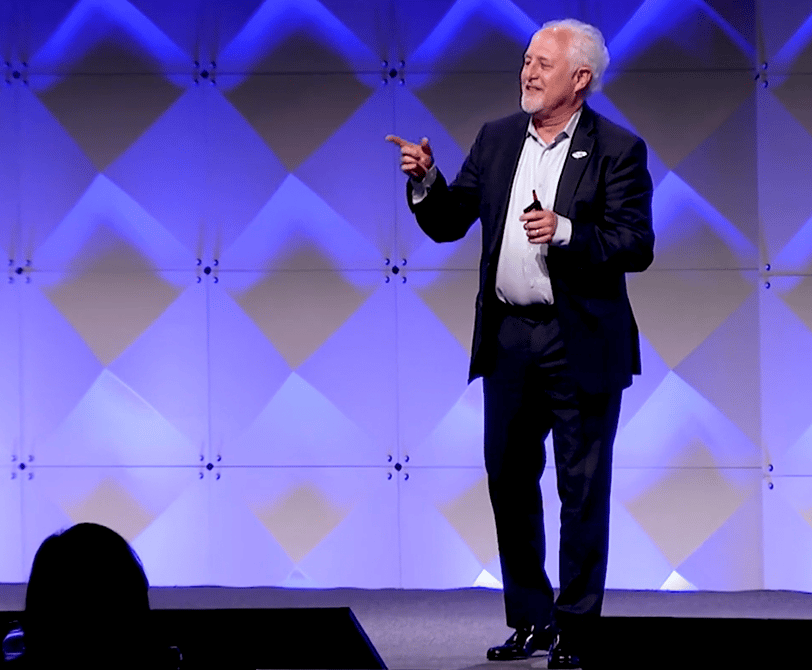
Effective Strategies for Complementary Feeding & Allergy Prevention
Benjamin D. Gold, MD, FAAP, FACG, NASPGHAN-F
Delve into the evolving science of complementary feeding and its impact on immune development in early life. Explore how the timing, type, and environment of food introduction influence the gut microbiome and may help manage allergic and autoimmune conditions. Learn how dysbiosis, allergy progression, and the allergic march are reshaping public health concerns - and uncover the cultural and systemic barriers that affect feeding practices, especially when breastfeeding isn’t possible.
This presentation is by Dr. Benajamin Gold, Attending Physician, Pediatric Gastroenterology, Hepatology and Nutrition, Children’s Center for Digestive Health Care, GI Care for Kids, Atlanta, Georgia, USA.
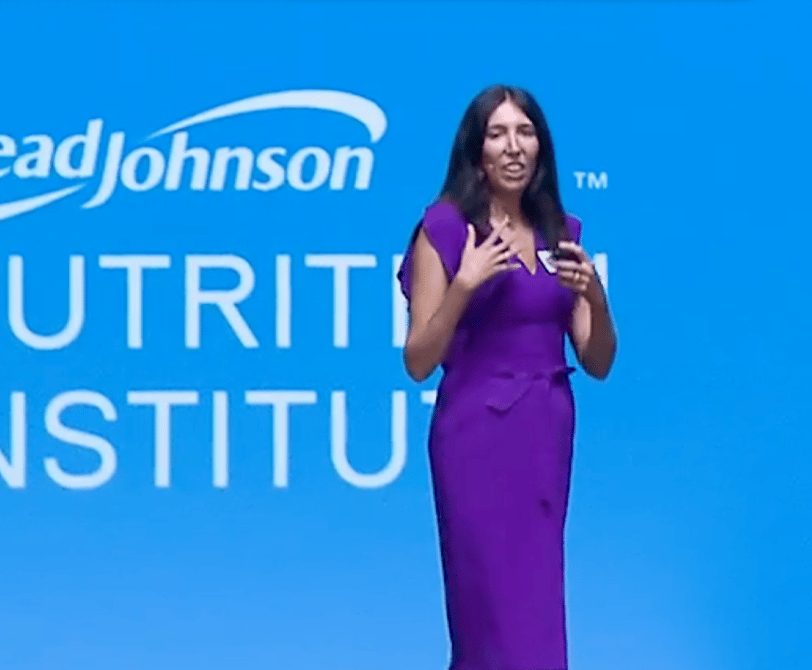
Lo que vemos en la práctica clínica
Andrea Moreno, RD
Obtenga conocimientos acerca de las variaciones globales de la incidencia y el manejo clínico de la alergia a la proteína de la leche de vaca (APLV). Esta presentación explora la APLV mediada y no mediada por IgE, al igual que trastornos relacionados como el reflujo, el eczema, el asma y el desarrollo de alergias futuras, ofreciendo enfoques prácticos y proactivos para apoyar el desarrollo de la tolerancia y reducir el impacto de la “marcha alérgica”.
Esta presentación estuvo a cargo de Andrea Moreno, Líder de Dietética para Alergias del Hospital de Niños Alder Hey, zona noroeste de Inglaterra.
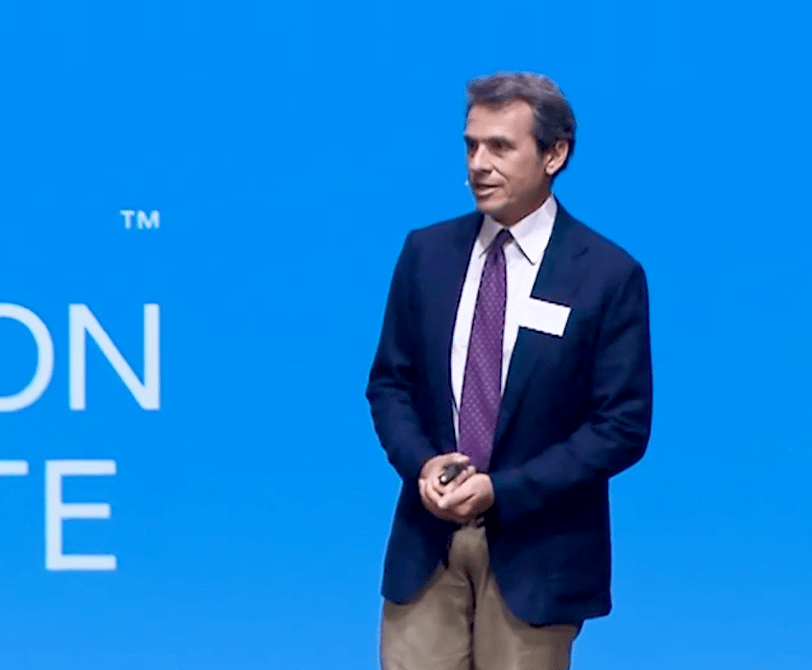
Efecto de la alergia a la proteína de la leche de vaca a largo plazo y sus implicaciones
Roberto Berni Canani, MD, PhD
Comprenda las consecuencias de la alergia a la proteína de la leche de vaca (APLV) y su papel en contexto más amplio del desarrollo de enfermedades alérgicas y crónicas, incluyendo asma, eczema e incluso trastornos del neurodesarrollo. Esta presentación resalta la necesidad de estrategias para modificar la enfermedad y nuevas intervenciones dirigidas a la tolerancia inmune y a la salud intestinal para alterar la trayectoria de la APLV y sus riesgos asociados.
Esta presentación estuvo a cargo del Dr. Roberto Berni Canani, Director, Programa de Alergia Pediátrica; Director, ImmunoNutritionLab; Biotecnologías Avanzadas CEINGE, Italia.
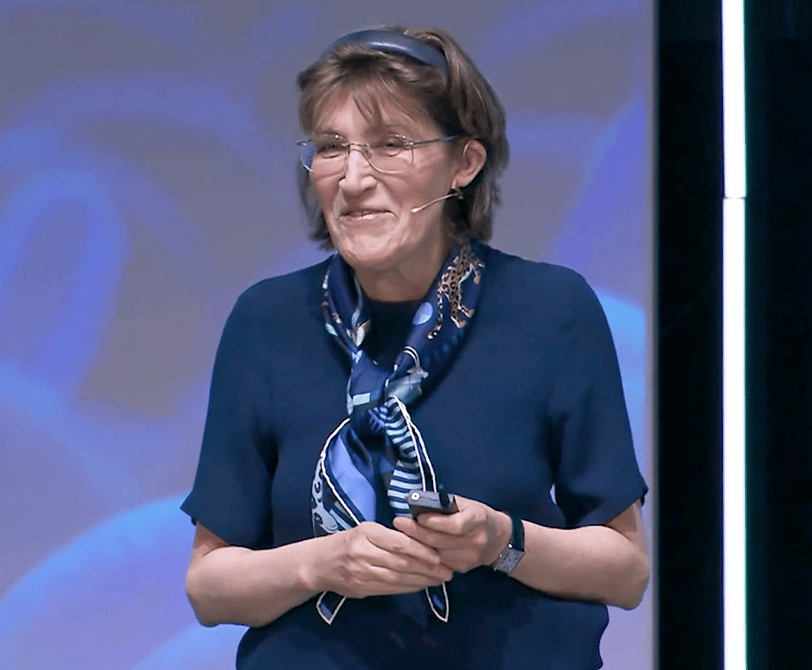
Guías para la nutrición infantil: ¿quién las lee?, ¿quién las sigue?, ¿cuáles importan?
Hania Szajewska, MD, PhD
Explore cómo se desarrollan las guías de nutrición infantil, por qué varían globalmente y los desafíos de aplicarlas. Esta sesión se enfoca en la lactancia, la prevención de alergias y la brecha entre la evidencia y la práctica, con énfasis en la importancia del juicio y la acción subsiguiente.
Esta presentación estuvo a cargo de la Dra. Hania Szajewska, Profesora y Jefe del Departamento de Pediatría, Universidad Médica de Varsovia, Polonia.

Apoyando la maduración intestinal en los lactantes: estrategias para un desarrollo óptimo
Juan José Díaz Martín, MD, PhD
Profundice en el complejo proceso de maduración intestinal del neonato y en las estrategias para apoyar su desarrollo saludable. Esta sesión explora la maduración del tracto adecuado del lactante, el papel de la leche materna en la microbiota y la actividad enzimática, la barrera intestinal y cómo las “fórmulas confort” pueden ayudar a manejar desafíos comunes como el cólico y la regurgitación.
Esta presentación estuvo a cargo del Dr. Juan José Díaz Martín, Profesor de Pediatría de la Universidad de Oviedo, Sección de Gastroenterología y Nutrición pediátrica, Hospital Universitario Central de Asturias, España.
Lactantes prematuros: del hospital a la consulta pediátrica
Nadja Haiden, MD
Obtenga conocimientos acerca del manejo nutricional del prematuro después del egreso, incluyendo la importancia del monitoreo y el soporte individualizados. Esta presentación resume las más recientes guías ESPGHAN y un panorama completo del papel de la lactancia, las fórmulas enriquecidas con nutrientes y la suplementación de vitamina D y hierro para apoyar el crecimiento y el neurodesarrollo óptimos en esta población vulnerable.
Esta presentación estuvo a cargo de la Dra. Nadja Haiden, Departamento de Farmacología Clínica, Universidad Médica de Viena, Austria.

Cesárea y microbioma infantil: desafíos y oportunidades
Juan José Díaz Martín, MD, PhD
Explore el impacto del nacimiento por cesárea sobre la microbiota intestinal del lactante y sus implicaciones para la salud a largo plazo. Esta presentación destaca cómo el nacimiento por cesárea altera la colonización microbiana, aumentando potencialmente el riesgo de trastornos como obesidad, alergias y trastornos neurológicos, y presenta estrategias para restaurar el equilibrio de la microbiota, enfatizando la lactancia como la intervención más efectiva.
Esta presentación estuvo a cargo del Dr. Juan José Díaz Martín, Profesor de Pediatría de la Universidad de Oviedo, Sección de Gastroenterología y Nutrición pediátrica, Hospital Universitario Central de Asturias, España.
Alimentación complementaria y su impacto sobre el microbioma
Ericka Montijo, MS
Descubra cómo la alimentación complementaria moldea la diversidad y riqueza del microbioma intestinal en desarrollo, influenciada por factores del comienzo de la vida como la vía del nacimiento, la lactancia y el momento de la introducción a los sólidos. Ilustrada mediante casos de estudio impactantes, esta presentación resalta la reacción al destete, los riesgos del retraso en el desarrollo del microbioma y cómo las estrategias de alimentación individualizadas pueden apoyar la salud inmune, metabólica y cognitiva a largo plazo.
Esta presentación estuvo a cargo de la Dra. Ericka Montijo, Gastroenterología y Nutrición Pediátrica del Instituto Nacional de Pediatría, México.
Una nueva frontera en la salud cerebral e intestinal
Rafael Jiménez-Flores, MS, PhD
Profundice en la ciencia emergente del eje intestino-cerebro, explorando cómo la membrana del glóbulo de la grasa de la leche (MFGM) puede influir en el desarrollo cognitivo y la salud intestinal. Esta presentación sigue los avances históricos y tecnológicos acerca de cómo la nutrición y la salud intestinal se conectan íntimamente con el desarollo neurológico, abriendo nuevas vías para la investigación y la innovación de la nutrición al comienzo de la vida.
Esta presentación estuvo a cargo del Dr. Rafael Jiménez Flores, Profesor de la Universidad Estatal de Ohio, USA.

Construyendo la base para una salud de por vida: microbioma y nutrición
Maria Carmen Collado, PhD
Explore el papel fundamental de la nutrición al comienzo de la vida para dar forma al microbioma infantil y su impacto sobre la salud de por vida. Obtenga conocimientos acerca de cómo la dieta materna, la lactancia, la alimentación complementaria y la dieta en la infancia influencian la colonización microbiana intestinal, la cual a su vez puede apoyar la función inmune, el metabolismo y el desarrollo cerebral.
Esta presentación estuvo a cargo de la Dra. Carmen Collado, Profesora Titular de Investigación y Líder del Laboratorio MAINBiotics, España.