This 4-hour virtual conference features leading US experts sharing evidence-based strategies to improve outcomes for vulnerable infants. The program covers improving outcomes for infants with extremely low birth weights (ELBWs), nutrition for patients with bronchopulmonary dysplasia (BPD), care for neonatal opioid withdrawal syndrome (NOWS), coaching skills, and neonatal skin and wound healing. Participants will gain practical, multidisciplinary tools they can apply immediately in clinical practice, with CE credit available.
At the conclusion of the program, participants are encouraged to complete a survey in order to receive a certificate of participation for continuing education credit hours.
After reviewing this program, learners will be able to:
- Identify and analyze the major morbidities associated with infants who have extremely low birth weights (ELBWs) and explain the short- and long-term neurodevelopmental consequences
- Apply evidence-based delivery room and golden hour practices to optimize stabilization and early management of infants with ELBWs, incorporating respiratory strategies, structured checklists, and multidisciplinary team huddles
- Implement and evaluate quality improvement strategies to improve outcomes and sustain changes in small baby programs
- Integrate the role of dedicated multidisciplinary teams in enhancing survival, reducing morbidity, and improving growth and neurodevelopmental outcomes for infants with extremely low birth weights, using current data and national network benchmarks
This presentation is by Alfonso Vargas, MD, Practice Medical Director at Pediatrix Medical Group, Tampa.
After reviewing this program, learners will be able to:
- Discuss the neonatal intensive care unit journey for bronchopulmonary dysplasia (BPD) with the goal of improving communication with the patient’s family related to nutrition goals
- Review evidence-based nutrition guidelines for patients with BPD as evidenced by the optimization growth parameters
- Utilize a multidisciplinary team care plan approach as evidenced by enhancing nutritional care for infants with BPD
This presentation is by Anna Busenburg, RD, CSP, LD, CLC, Nutrition Affairs Manager at the American Dairy Association Mideast.
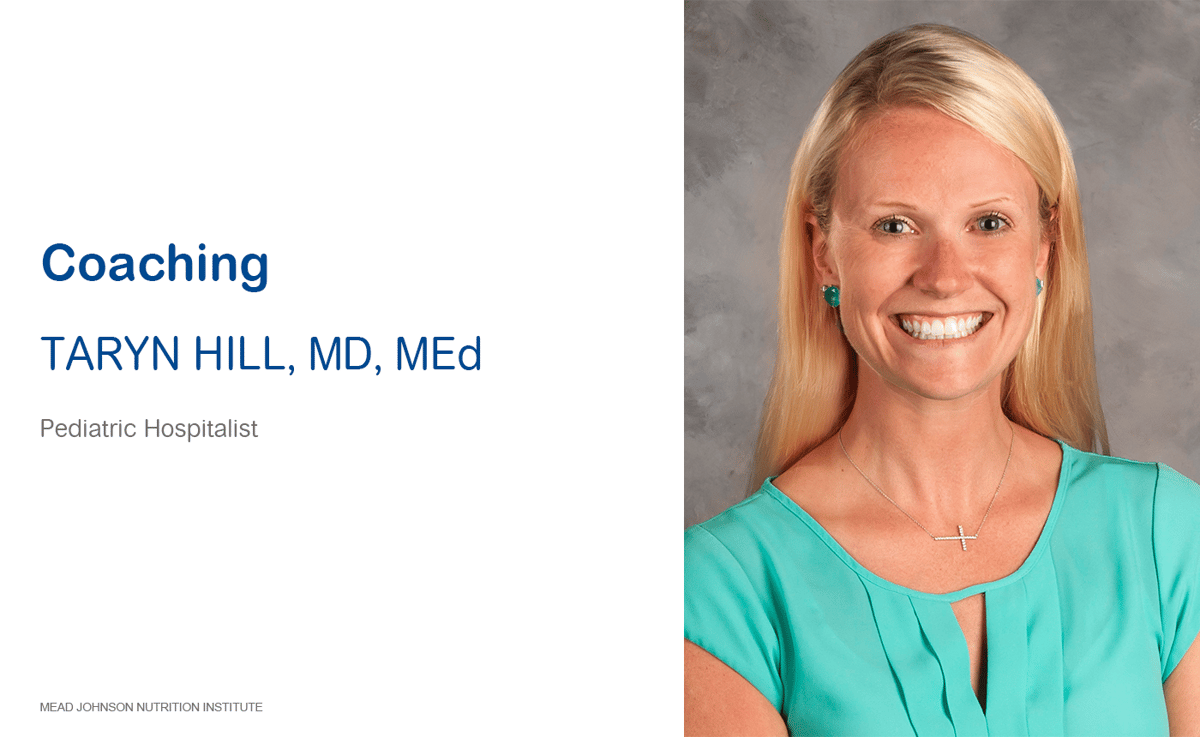
After reviewing this program, learners will be able to:
- Establish the current landscape and culture of providing feedback in health professions education
- Introduce and define coaching as an effective and beneficial feedback strategy in clinical health care settings
- Highlight growth mindset as a core principle of successful coaching
- Explain and apply 2 coaching tools, the ADAPT framework and the R2C2 model, to common health care scenarios requiring feedback
This presentation is by Taryn Hill, MD, MEd, Pediatric Hospitalist.
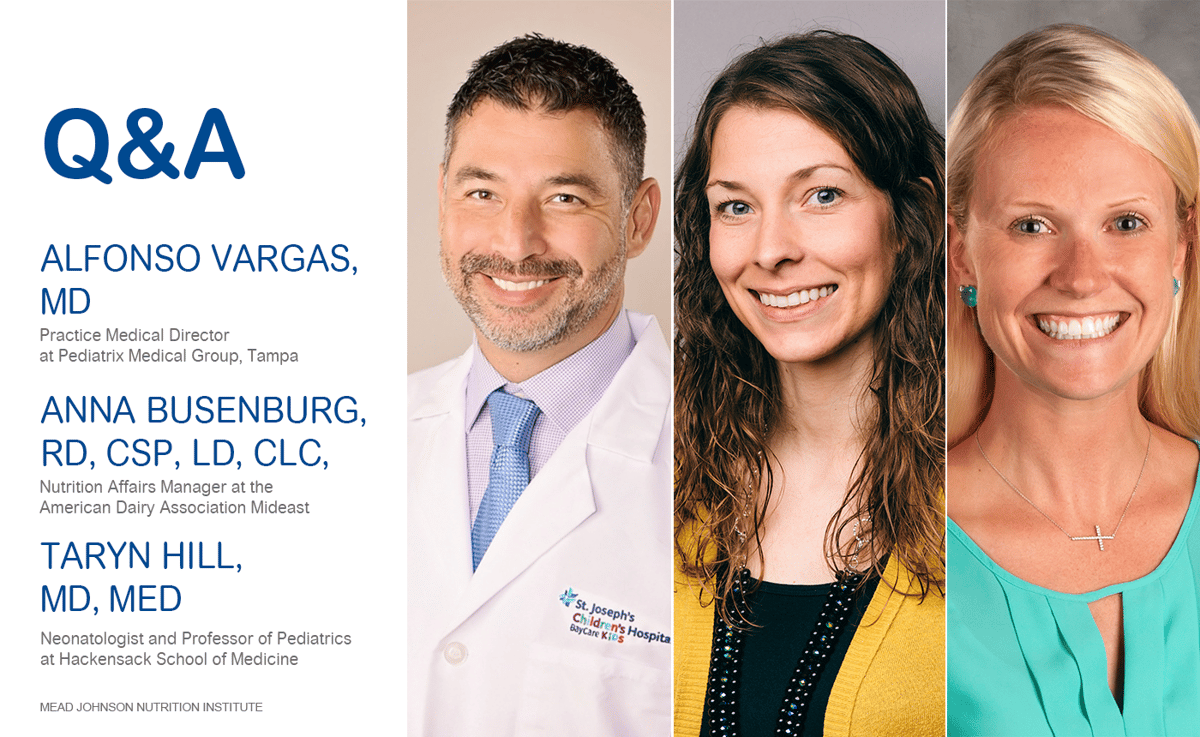
Q & A
After reviewing this program, learners will be able to:
- Define neonatal opioid withdrawal syndrome (NOWS) and differentiate it from neonatal abstinence syndrome
- Recognize the clinical features and complications of NOWS in affected infants
- Compare traditional Finnegan scoring with the Eat-Sleep-Console approach for assessment and management
- Apply evidence-based nonpharmacologic and pharmacologic strategies in the care of neonates with NOWS
- Discuss the role of family-centered care and multidisciplinary collaboration in improving outcomes for infants with NOWS
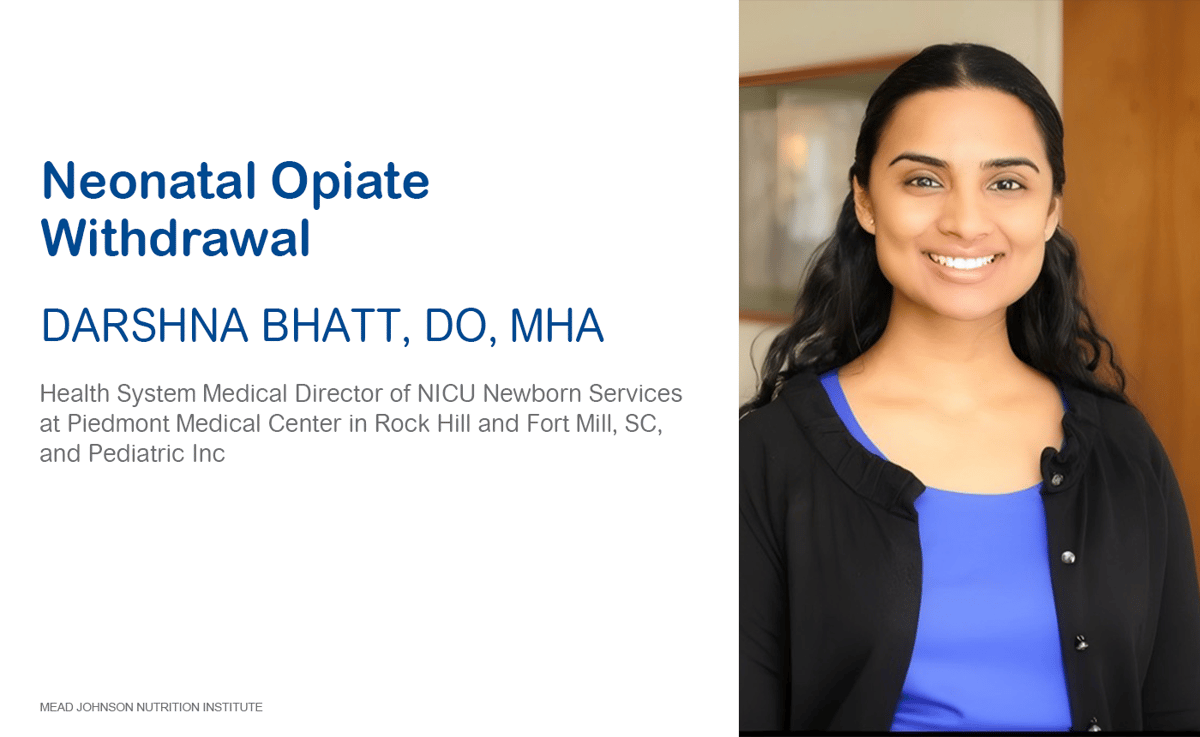
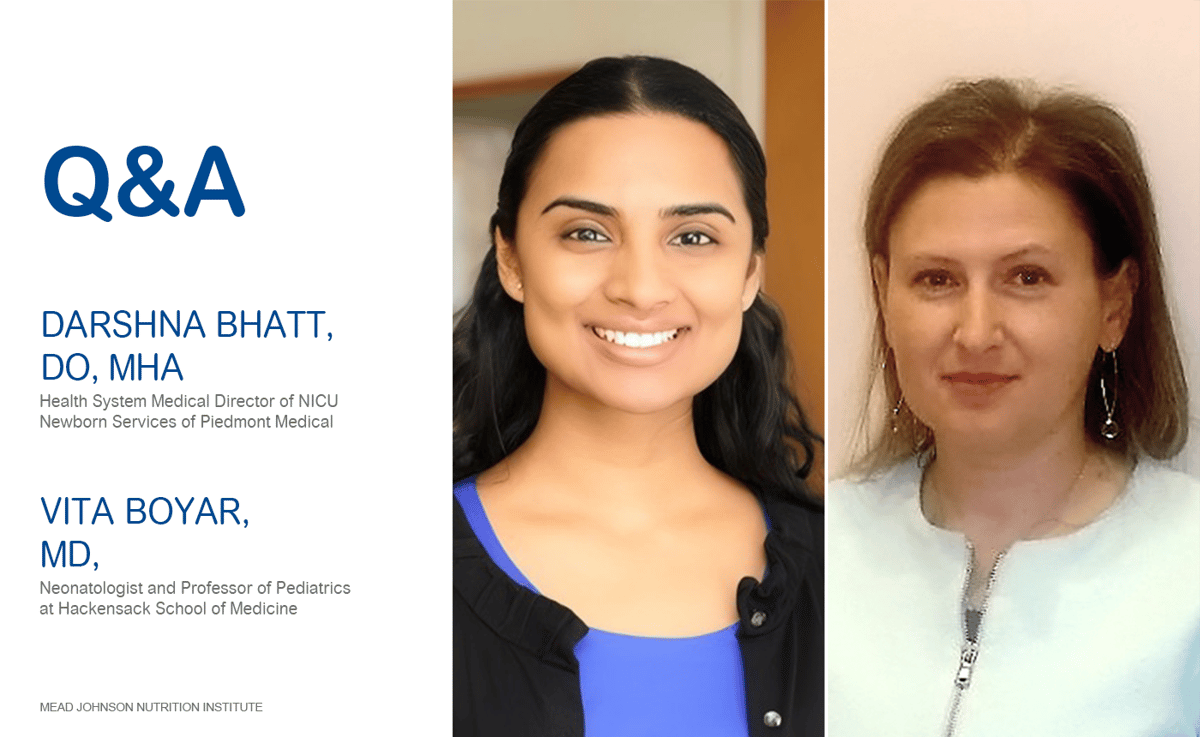
This presentation is by Darshna Bhatt, DO, MHA, Health System Medical Director of NICU Newborn Services of Piedmont Medical Center in Rock Hill and Fort Mill, SC; and Pediatric Inc.
After reviewing this program, learners will be able to:
- Describe the structure and function of neonatal skin
- Understand the stages of wound healing and nutrients that impact the various phases
- Describe the importance of macronutrients and micronutrients in skin health and wound healing
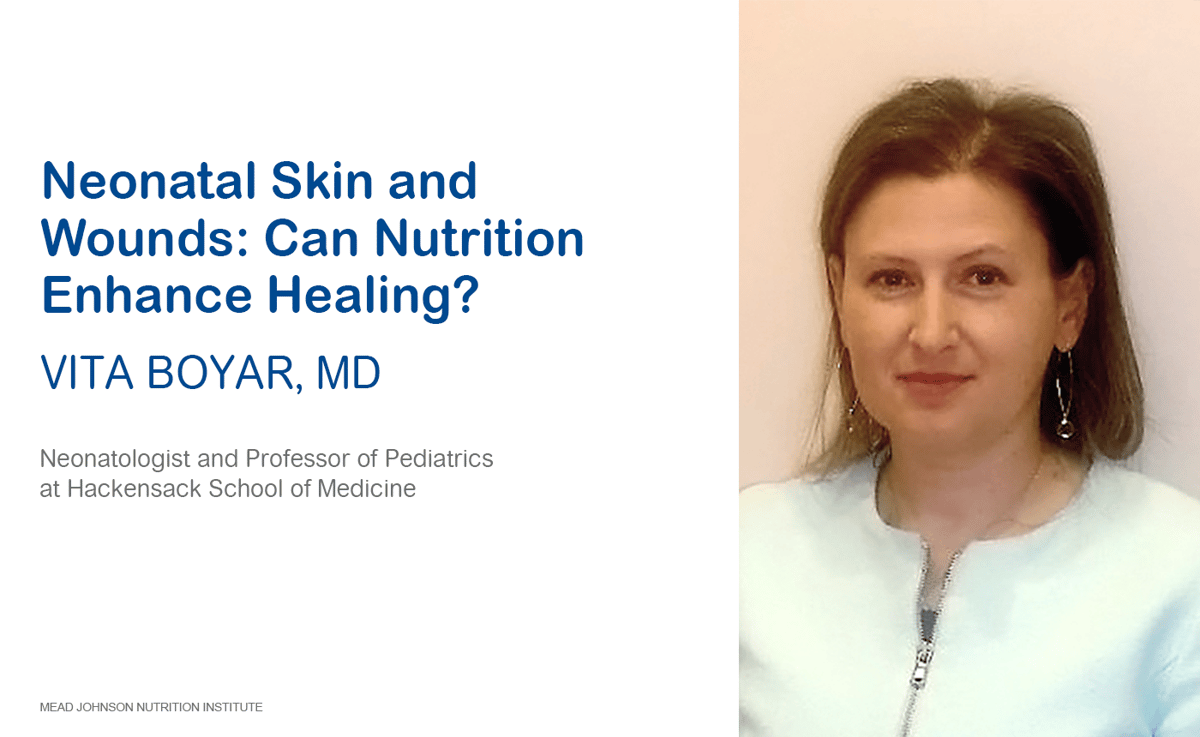
This presentation is by Vita Boyar, MD, Neonatologist and Professor of Pediatrics at Hackensack School of Medicine.
To obtain CEUs click on the survey link below to complete the survey and receive a certificate of participation for continuing education credit hours.