Explore how the gut microbiome may shape the gut-brain axis in early childhood. This presentation highlights the potential impact of early gut colonization on mood, memory, and gastrointestinal function - and how disruptions may lead to disorders of gut-brain interaction.
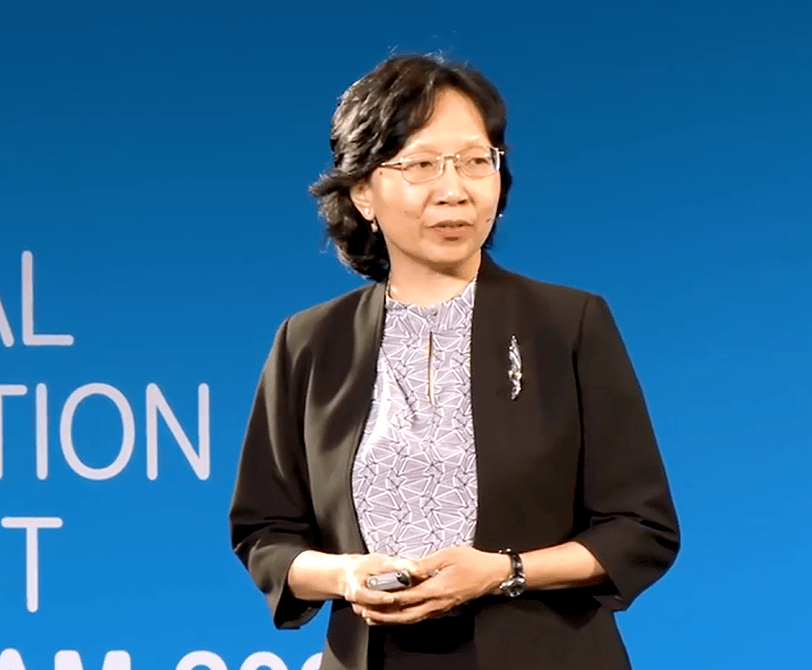
This presentation is by Prof. Marian Aw, Head of the Division of Paediatric Gastroenterology, Nutrition, Hepatology and Liver Transplantation at the Department of Paediatrics, National University Health System, Singapore.
GNS Vietnam 2025: Microbiome-Gut-Brain Interaction in Children
Marion Aw, FRCPCH
Narrator
Introducing Associate Professor Marion Aw, head of the Division of Pediatric Gastroenterology, Nutrition, Hepatology and Liver Transplantation at the Department of Pediatrics, National University Health System (NUHS), New Singapore. Professor Aw currently serves on the Nutrition Subcommittee for the Asian Pacific Society for Pediatric Gastroenterology, Hepatology and Nutrition and was previously the chair of the GI subcommittee alongside her clinical work. Professor Aw is deeply committed to educating and mentoring both medical, undergraduate and postgraduate pediatric trainees.
She was the Program Director for Pediatric residency training at National University Hospital. She currently serves as the vice Dean of students at the Yong Loo Lin School of Medicine.
Please welcome Professor Aw.
Professor Marion Aw
A very good morning, everyone, and it's my pleasure to be here at this beautiful city of Da Nang. I'd like to thank Mead Johnson for the kind invitation to be part of their wonderful program over two days. I think the sessions have been very thoughtfully put together. And actually, it's quite meaningful because, as Mead Johnson celebrates 120 years of work, the university that I work with also celebrates 120th anniversary this year as well.
So it's particularly meaningful because, you know, we know how much 120 years of work has been in our unit is really part of, doing so much. And I'm sure the same sentiment that Mead Johnson has of service over 120 years. What I'm going to do over the next 25 minutes is really to talk a little bit more about the gut microbiota brain interaction and build a little bit upon what Alessio has just, given us a flavor of the importance of the gut microbiome and how one influenced the other.
I will also talk a little bit about the evidence for the impact of dysbiosis. And then end up with some thoughts on implications for disease management and prevention.
So what is the gut microbiome is really the ecosystem of the microorganisms that actually live in our gastrointestinal tract. They're unique to each individual. So the person sitting next to you will have a different gut microbiome than you. The multiple strains living in a very balanced state together. And what we now know more and more is the important role they have, not just for gut health, but for health in general.
So the first question I'm going to ask you, and I think Alessio actually did allude to this in his talk. When does colonization of the infant gut begin? So is it in utero in the third trimester, just prior to delivery, at the time of delivery, during breastfeeding, or during the introduction of weaning foods? So I think you can answer the question on your own.
And don't worry if you're not quite sure what the correct answer is, because I think as our understanding and science evolves, sometimes what is true today may not actually be true in 5 to 10 years. Okay. So yes, at the time of delivery. So the current thinking is that colonization of the gut or the main colonization of the gut occurs at the time of delivery.
In utero the gut is infant gut is believed to be mostly sterile, and at the time of delivery is when colonization occurs. But as you can see, there are different phases in which how the gut microbiome evolves. Right? So the first week of life, liquid feeding, which is mainly the breast milk. And then the next phase is as you introduce solids to the child, and then the last phase in the toddlerhood between 1 to 3 years of life.
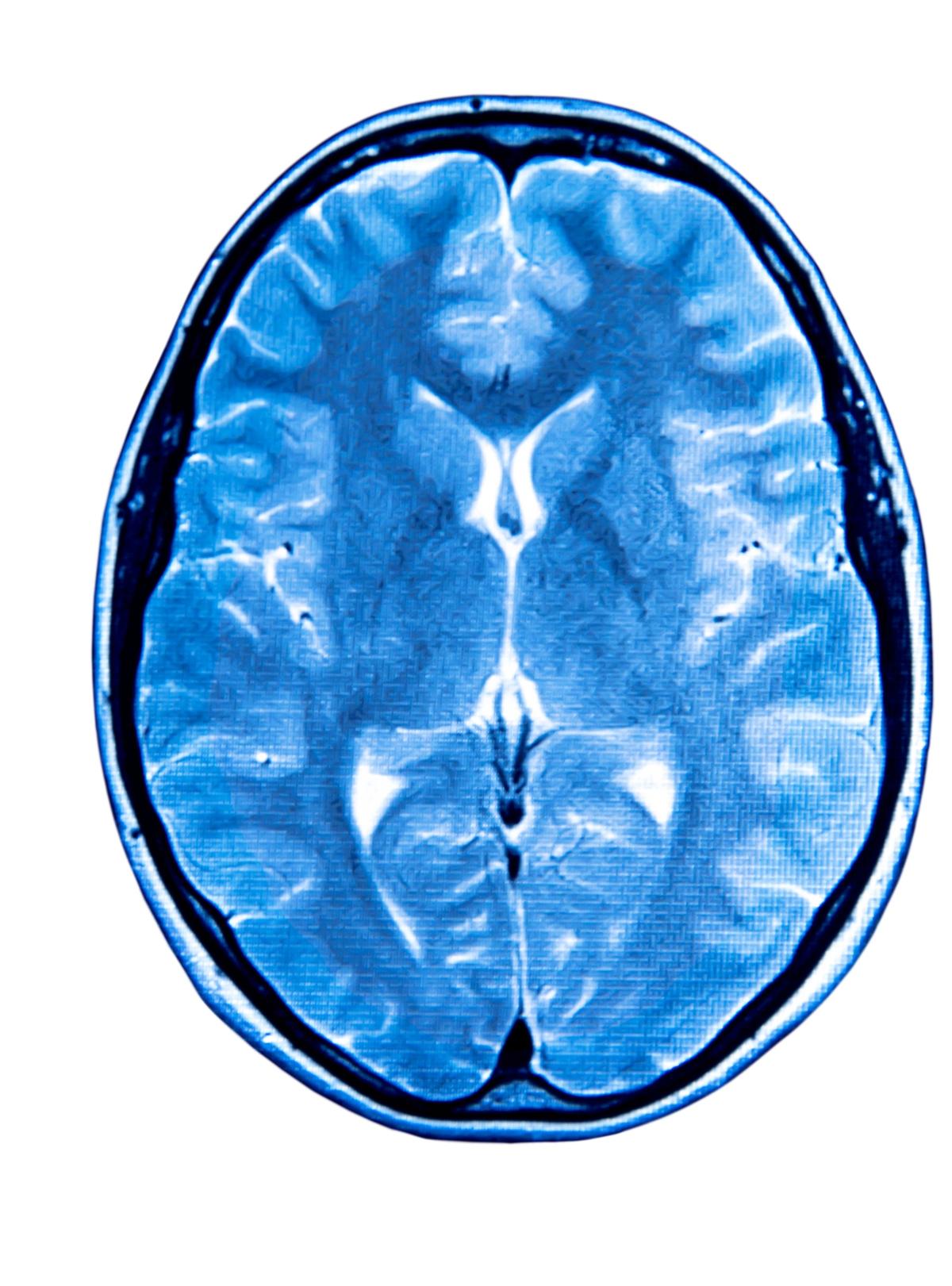
And realistically, your gut microbiome is more or less set by the time you're about 5 or 6 years of age, and it's stable into adulthood beyond then, and therefore the opportunity to actually shape or make a difference to your gut microbiome really occurs in the first few years of life. And what I think is really important, as we know more and more about how the human body develops right from conception to birth in the first few years is actually a very close parallel, in terms of how the brain and the gut develop in the first three years of life.
So as your enteric nervous system is developing, so is the brain in terms of this volume, synaptogenesis and myelination. How visual and auditory processing occurs. And I think the next few speakers will also, expand a little bit more of that. And therefore there are really important implications as to the impact of nutrition. The gut microbiome in the first few years of life.
So we all heard about the gut brain axis, right. So this is the neural endocrine immune mediators that interact the autonomic nervous system as well as your enteric nervous system. And it's a bidirectional communication with the brain and the gut. But in the last 5 to 10 years, we actually know more and more about the importance of the gut microbiome, how the microbiome actually interfaces and interacts a key player in this interaction.
So not just your GI tract motility, sensory and secretory functions. How your mucosal immune function develops, but also how the effects of the gut microbiome through modulation of the gut environment has an impact in both directions. And in itself the gut microbiota synthesizes neurotransmitters, which has direct impact on the gut itself, as well as distally through the bloodstream into synaptic formation and microbial function.
Now, you may have seen in Alessio’s presentation that the vagal nerve is actually a key player in this. It does is a main thing, but it sends out signals to the rest of the body and actually collects a lot of information. So distally it actually interacts with they've got through B-cells and interior chromatin cells and microbiota produces short chain fatty acids and other metabolites, neurotransmitters which then go back into your circulation and then have an impact in terms of the microbiome, and that we either directly or indirectly impacts the individual's behavior, neurogenesis, neurotransmission, as well as neuroinflammation.
So just a cartoon to show to you how one of these things actually works. So short chain fatty acids, actually work locally, impacts your mucosal barrier integrity. Mucus production also protects against inflammation and regulates your blood brain barrier integrity. So actually locally in the gut as well as distal in the brain. Why serotonin? I'm sure you've heard about serotonin.
It actually regulates gastric acid secretion and motility, but centrally, it also regulates your mood by decreasing anxiety and stress. So you can see how closely these things actually impact both your gut and the brain. So what, then, are some of the implications if you have gut dysbiosis. Gut dysbiosis is when your gut microbiota is impacted and may not have been developed normally.
So we do know that for a healthy central nervous system you need a healthy gut and vice versa. And we also know that certain states like anxiety, stress, depression, even some neurodegenerative conditions have a higher association with functional bowel disease like IBS and abdominal pain. And likewise, people with function abnormal disorders have a higher association with anxiety and stress.
And is there a link between the two and how is this linked? That is it through direct or indirect through your gut microbes? And are there other intrinsic or extrinsic factors that may impact this. And our knowledge of what we call disorders of gut brain interactions has now increased is a new terminology. Previously was thought to be functional disorders of your GI tract, mainly because it's function and motility.
So when there is a functional GI disorder motility secretion pain occurs. But we realize now that actually there are disorders of gut brain interaction simply because we now know what is happening at the microbial level. So it's not that difficult to sort of imagine, right, how if this is the disorder or motility or the sort of gastric emptying, you can end up with symptoms of reflux.
Functional dyspepsia in babies, infantile colic is quite distressing. And there’s a whole, talk about that later on. Irritable bowel syndrome, functional abdominal pain and even functional constipation. And how would these disorders of motility then, impact in terms of the microbiome, or how does the microbiome impact or result in this? And I think in the last few years we've got more and more, evidence and more and more data to suggest that there is actually a direct link, whether this link is in association or whether there's actually a causal implication.
So just take infantile colic. Right. This is extremely distressing condition. Not just for parents, caregivers but also for physicians because you have a distressed parent in front of us and sometimes we have very little to offer in terms of intervention. So we do know that babies with infantile colic have some form of dysbiosis. There's decreased microbiota diversity.
This increase in gas producing anaerobes, such as a decrease in lactobacillus and bifidobacteria, as well as an increase in fermentation of lactose. And this can result in distension or gas production and bloating. There's also evidence that this increase in gut permeability, as well as pro-inflammatory cytokines, and the fact that intervention with probiotics actually helps these children in terms of symptoms, must then imply that there is a direct causal association.
Now, what about the impact of, dysbiosis on brain or brain interactions? I'm going to share with you over the next few slides some evidence from human as well as animal studies. So this graphic shows the timeline of development in terms of how things happen from synaptogenesis, myelination, synaptic pruning in the brain.
And what then would be the implications if there's dysbiosis. Right. Is it an alteration of the metabolite profile? How would this influence your enteric nervous system central nervous system communication? does have implications on brain immune function and inflammation, as well as the integrity of the blood brain barrier and other than short or long term consequences? And I think the really important question is are these changes reversible or they non reversible?
So is there a window of opportunity beyond which we have like missed the boat so to speak. Now what are some of these human studies on cognition. So really interestingly we know that some infants have a high relative abundance of Bacteroides in their stools at one year. And when they when you see that they had better cognitive function with regards to receptive expressive language at age two.
Right. So there's two microbiota at one year was actually reflective of what happens to them in terms of cognition. At two years of age. And studies were shown that male infants with Bacteroides prominent at one year also had more favorable cognitive and language scores. At two years for definitive skills. And how does how is this explained from, microbial or pathophysiological perspective?
Right. So we do know that the Bacteroides dominant cluster is associated with enhanced sphingolipid metabolism. And high serum sphingolipid levels are associated with better performance on neurocognitive skills and improved brain myelination. And so this actually explains from a pathophysiology why maybe having a certain microbiome profile actually can result in better cognition. What about stress. So we heard earlier I mentioned earlier about increased stress associated with some form of gut dysbiosis of people with functional GI disorders.
So in the mouse model, maternal stress in early life is also associated with increased systemic immune response. And this results in intestinal dysbiosis as well as visceral hypersensitivity often in the offspring. So you know that maternal stress, at least in the mouse model, results in baby mice with dysbiosis and visceral hypersensitivity. And similarly, in human studies in looking at mothers with psychological stress, in pregnancy is also associated with dysbiosis in the offspring's gut and the decrease in the diversity of the microbiome, as well as altered cytokines in the body.
So this really clearly shows that what happens in mums actually will have a direct impact on the baby.
Some studies in animals and this is really, really interesting studies because they look at germ free models. So animal models are really useful because you can manipulate the animal model and you can’t do those things in human babies, but you can do it in the mouse model. And this is really to demonstrate potential causal effects. So in germ free mice they have enhanced stress response and memory dysfunction.
And when you expose these germ free mice to specific pathogen free feces, that means you actually do a microbiota transplant in them. You can actually reverse that response. So its reversible. All right. And what is even more important is that this anxiety like behavior is not reversed when you populate that same mouse when they are older. So you have to do it within a certain time frame.
Right. So it suggests that changes in your brain structure and function cannot be reversed beyond a critical period in the early postnatal period. So while they might have discovered that period in the mouse, we may not be entirely certain whether the human baby functions in the same way and whether there's this critical period beyond which you cannot then change things.
Now there's a lot of interest, and I've only got one slide to show this. In terms of autism, I'm sure you've seen the literature. How there's a lot of interest now in dysbiosis and autism and whether or not interventions with regards to correcting the dysbiosis will make a difference. So we do know that kids with autism have dysbiosis.
There’s less gut microbiota composition is less diverse. And whether this indirectly or directly then results in certain toxic metabolites which are then pro-inflammatory. And these pro-inflammatory cytokines then enter your brain, resulting in changes in your brain structure and function. And that's why children with autism might have impaired social interaction and repetitive behaviors. So the question I'm going to ask you and you can answer on your app, can autism be cured by the use of probiotics and or fecal microbiota transplant.
So there's a lot of interest in this. And you may or may not have read, something in literature. So is this statement true? Is it false? And for those of you who don't want to guess, you can actually put not sure. So I put the not sure there because, some of you might not really be sure and you don't want to guess.
Okay. So quite a number of you said false. And some of you said true. Okay. All right. So right now I would say false would be, my pick for the response to that. Now, what is some of the scientific background that we know. Right. So we do know that children with what they call functional GI disorders or disorders of gut brain interaction do have an altered gut microbiota.
Okay. So that is what we know. There's an association of dysbiosis with functional GI disorders. We do know that children with autism also have a disorder or dysbiosis in terms of their gut microbiota. But we also know that there's an increased prevalence of functional GI disorders in children with autism. So then the question chicken or the egg right is the chicken or egg.
Is there then a link between your gut microbiome and autism like behaviors. They both occur as a cause of each other or did the same thing result in both of them. Right. So that I think is the million dollar question. Now, we do know that children with functional GI disorders, a lot more children with autism have them. And these cause pain.
Right. So children with autism have higher rates of diarrhea constipation and abdominal pain. And we do know that children autism have a difficulty in expressing themselves. Right. So they have pain the have discomfort. They may not be able to tell it to their parents or their caregivers like a neurotypical child would, and therefore maybe a worsening of a behavior in a child with autism is simply because they're uncomfortable, right?
Their functional GI disorder causes them pain and discomfort, and because in pain they just behave worse. And when we treat their functional GI disorder, their bad behavior appears to improve, right? So I suspect that some of the studies that show the use of probiotics, the use of FMT in children with autism and functional GI disorders when their behavior appears to improve.
Is it because you've cured their functional or you've improved a functional GI disorder? You've not actually changed the autism? So I think there's a really big question mark. And this is the space to watch. Because as we have more clarity and we do a lot more longitudinal studies, we may then be able to say is that the chicken or the egg?
Is it an association or is it causal? Because right now I'm not entirely certain. And I think we need to be really very careful when we have patients, with autism and their parents want to know what to do. Okay. Now, what are some of the implications for disease management and prevention? And I think really it is prevention is better than cure ultimately.
Can we prevent dysbiosis. So firstly I think importantly to encourage breastfeeding in all your patients limit the use of antibiotics. Definitely avoid unnecessary use. It's sometimes quite pressurizing when you have a patient with fever that's persisted for some time. You feel it's definitely going to be viral rather than bacterial. But the parents insist these give some antibiotic, and I think sometimes is really very difficult to say, you know, not to give because then you see the parent just go to see the doctor next door and get the antibiotic from them.
How can we educate, patients parents to reassure them there's a viral infection? You really do not want to give your child the antibiotic again, as we heard from Alessio, your vaginal delivery, we need to actually encourage patients to do that and not, go for elective caesarean section, at least in Singapore. Quite a number of our patients actually asked for elective caesarean section because they want their child born by a certain day, you know, so the date is auspicious.
It's convenient. So we need to actually educate our patients parents to say no vaginal delivery unless they're medical reasons, to do it a caesarean section and of course, promote healthy eating. There are also therapeutic options. So as physicians, we need to be aware what are the therapeutic options available, especially for children with functional GI disorders or disorders of gut brain interaction?
Because sometimes, you know, when you make the diagnosis of, IBS, you know, in a patient, sometimes it's really hard. Parents don't want to accept that as a diagnosis. And they sometimes say, you know, I want you to find that pathology. And the reality is true because if I find IBD, there's a specific treatment I can actually give you a drug or give you something and it cures the patient or makes the patient much better, because if I make a diagnosis of IBS or functional GI disorder, it's really much harder to treat and cure.
And sometimes when I think parents are reluctant to accept is to understand that stresses or anxiety that a child might be going through is contributing to what's it because it's a lot easier to say I found an organic disease than to say, I've got to help my child with stress. At least in Singapore. I'm not sure about here and where you come from.
Our school children get quite a fair bit of stress from school and parents accepting the fact that stress is contributing in child symptoms, it's hard for them to accept. And sometimes talking to parents, and encourage them to help the child deal with stress is actually very difficult For certain conditions, there are interventions with the use of probiotics.
This is a very busy slide. The main thing is actually to show you that there are guidelines. So studies have proven that in certain types of conditions. And I think Professor Suporn will expand a little bit more about it later is that, for example, like infantile colic, there are specific probiotics in the, strain specific.
So not all probiotics are the same. You need to be aware of which probiotics work. So for infantile colic. Lactobacillus reuteri. Especially in breastfed infants will help as well as Bobacterium Lactis BB. Prevention of infantile colic. You will notice that the data is still a little bit divided. So one organization has made no recommendation with another one has made a recommendation that Lactobacillus would try.
DSM 17938 might be useful for prevention with regards to functional abdominal pain disorders. And that's another really difficult one to treat. At least there is something you can give your patient and that might help them. So again probiotics might help children with functional abdominal pain. And that's really important because sometimes the pain is distressing to the child. And if it's something we can do it's useful okay.
So just to summarize what I've said and zip through in the last 20 minutes or so is that there is good evidence that the microbiota gut root access exists. And this bidirectional crosstalk occurs at multiple levels, and your gut brain interaction occurs via your hypothalamus pituitary axis. The vagal nerve is an important role, but more and more we have realized the importance of your microbiome metabolites as well as the neurotransmitters.
Neurodevelopment in an infant is also dependent in a large part of normal microbiota and its impact on your immune activation, and therefore the diet of the baby. And there is a critical window where disruption of this normal microbiota colonization can affect cognition and behavior, at least in the mouse model and possibly in the humans and therefore is really, really important when you have a newborn infant in the first 1000 years, 1000 days of life, in terms of brain development, in your gut brain interactions, the gut microbiome and having normal development of the gut microbiome is important.
And here your early life nutrition as well as environmental factors have a really important part to play. And thank you very much.